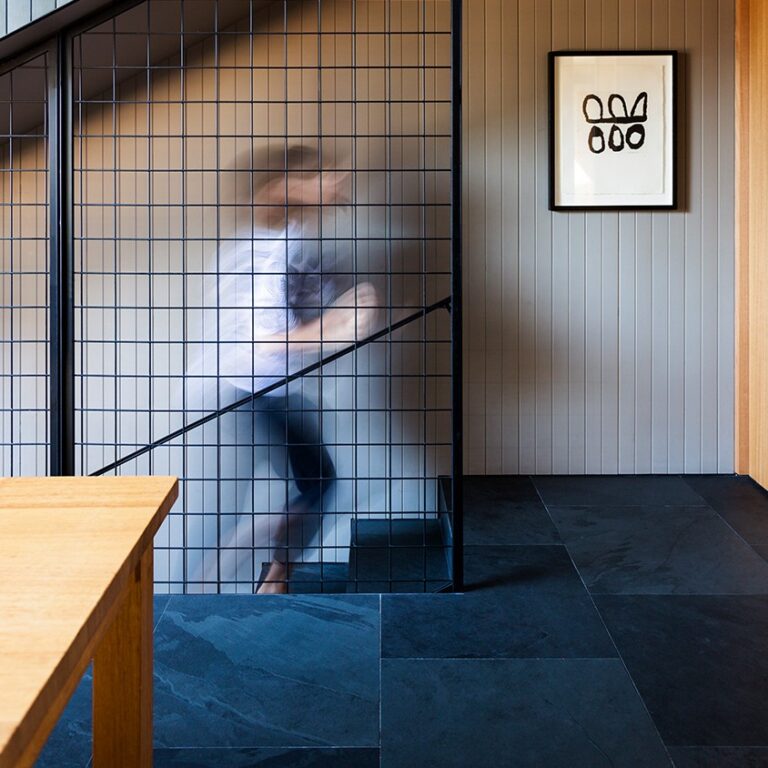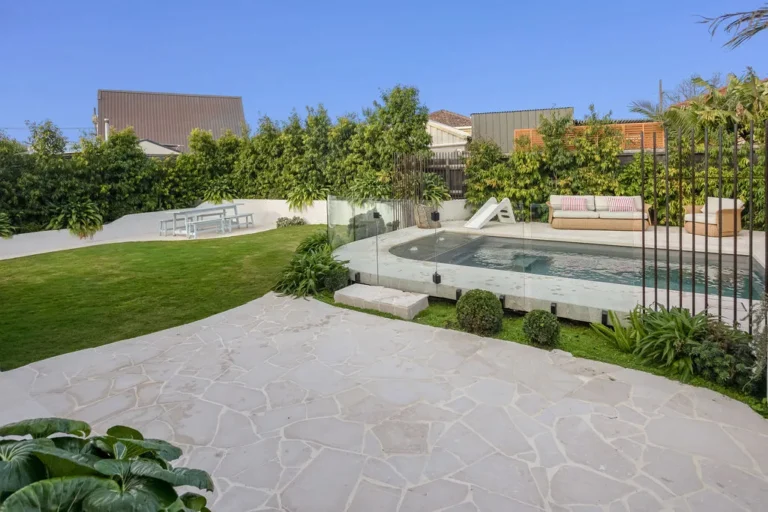

Pool coping is the cap or edging that runs around the top rim of a swimming pool. It creates the transition between the pool itself and the surrounding area. Also called pool edging or pool edge pavers, it serves both practical and aesthetic roles in pool design. Pool coping provides a finished edge, but the right coping can also help protect the pool’s structure, manage water around the pool, and create a safer transition at the water’s edge.
There are many different stones, profiles, finishes, and sizes available when making your selection. In this guide, we’ll dive into what pool coping is, why it matters, the options available, and what to consider when choosing coping for your pool.


Pool coping is the protective material that sits along the upper edge of the pool shell, separating the water and the surrounding paving or landscaping. While it contributes to a pool’s finished appearance, it also serves important functions. Coping directs splashed water away from behind the pool shell and towards drainage, protecting the structure and surrounding area.
A common misconception is that pool coping and pool paving are the same. But unlike standard paving, the shape of pool coping is designed for the pool edge. It may have an overhang, rebate, or finished edge to fit over the pool edge. On the other hand, pool pavers are laid across the broader area surrounding the pool.
Pool coping also differs from pool mosaics, which are installed within the pool, most commonly along the waterline or the interior surface. Together, the mosaics, coping, and paving each serve a purpose in creating a fully functional pool area.
Take a closer look at each option in our guide, Pool Coping Profiles Explained.
Why is pool coping important?
To understand why it’s important, it helps to first understand what pool coping does. Pool coping does more than provide a finished edge. It has both practical and visual roles, helping to protect the pool structure while shaping how the pool connects with the surrounding space.
Safety around the water’s edge
The pool’s edge is an area people regularly interact with when entering, exiting, or sitting alongside it. The profile and finish of the stone are therefore important to consider, as it will create a practical, comfortable edge around the pool that will be exposed to water.
Protecting the pool structure
Pool coping protects the structure of the pool by managing the water around it. It directs splashes of water away from behind the shell and toward the paving and drainage. It also provides a protective barrier over the edge of the pool structure.
Finishing the look
As a visible detail surrounding the pool, coping impacts the overall aesthetics. The choice of stone, colour, and edge can create a finished transition between the water and paving in the style of your choice.
Defining the pool area
Coping also visually frames the pool and its place in the landscape. When done well, selecting a material and profile that complements the paving and design can make the pool feel integrated within the space rather than a separate element or afterthought.
Pool coping profiles at a glance
Pool coping profile refers to the shape and finish of the exposed edge. It’s a small detail that can change the appearance of the pool edge and how the stone sits against the structure. There are 3 common pool coping profiles: square edge, bullnose, and rebated (drop face).
Square Edge
A clean, straight edge and flat surface. It creates a sleek, modern finish around the pool’s perimeter.
Bullnose
Smooth, rounded edge that’s comfortable to grab and sit on. It softens the transition between the top and face of the coping stone.
Rebated or Drop Face
Extends down in an L-shape over the vertical face of the pool edge. It conceals the join beneath and creates the appearance of a thicker piece of stone.
Take a closer look at each option in our guide, Pool Coping Profiles Explained.
Pool coping thickness and sizes
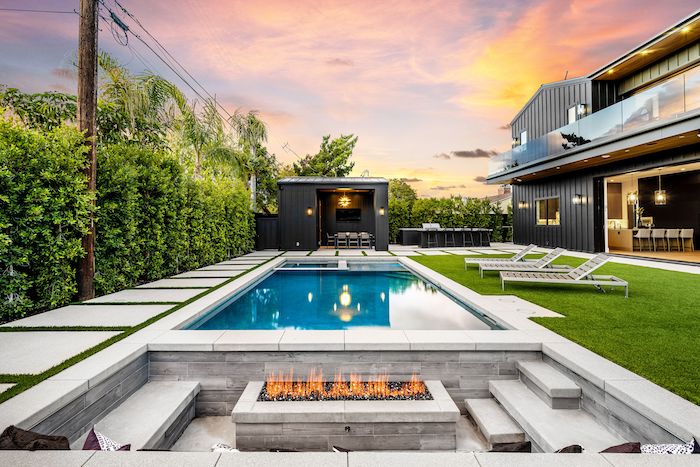
Pool coping comes in a variety of thicknesses and sizes designed to suit all types of pools and edge profiles. In the RMS Traders range specifically, common formats include:
- 20mm thick coping in
- 200 x 50mm (batons)
- 600 x 300mm
- 600 x 400 x 50mm/20mm (rebated/drop-face)
- 30mm thick coping in:
- 600 x 400mm
- 600 x 400 x 60/30mm (rebated/drop-face)
- 600 x 400 x 50/30mm (rebated/drop-face)
The 60/30mm measurement refers to 60mm as the vertical front face of the coping that hangs into the pool, and 30mm as the horizontal thickness of the paver. This format fully covers the rim, hiding the pool shell while giving the appearance of a thicker stone for a high-end appeal.
Standard tile formats shouldn’t be substituted for pool coping, as coping is specifically sized and finished for its position along the pool edge.
Which stone works best for pool coping?
There isn’t one stone that’s best for every pool. The right choice depends on the aesthetic, surface finish, surrounding landscape, maintenance requirements, and project specifications. Natural stone also varies in colour, texture and performance, so it’s important to consider more than its appearance alone.
Limestone
Limestone is a popular choice in outdoor design, chosen for its subtle variation, texture and variety of tones. Limestone offers a softer palette that ranges from warm beige and cream to cooler greys, so it can complement a range of architectural and landscape styles.
Explore the RMS Traders Limestone collection.
Travertine
Known for its warm, earthy tones, Travertine has long been used in outdoor settings around pools and entertaining areas. Its low heat absorption also makes travertine well suited to poolside areas during the warmer months.
View the Travertine collection, including our beautiful Tuscan Pool Coping.
Bluestone
Bluestone offers a distinctive look, with blue-grey to charcoal tones and natural variation that suit modern architectural pool design. A durable stone, it has a long history in Australian landscapes.
RMS Traders is an authorised supplier of Bluestone to the City of Melbourne, with approval for use in city streets, heritage projects, contemporary upgrades, and public works.
See the Bluestone range as well as our Premium Bluestone Pool Coping.
Granite
Granite is a dense, hard-wearing natural stone chosen because of its strength and durability. Its palette ranges from beige to darker grey with distinctive speckles throughout. Its mineral make-up and range of colours make it suitable for outdoor spaces where both performance and appeal matter.
Slip resistance and poolside safety
As the area around the pool is regularly exposed to water, slip resistance is an important consideration when selecting natural stone in this space. Slip resistance is formally tested and rated to show how a surface performs under specific conditions.
The stone’s finish and slip-resistance rating are not the same. Finishes like sandblasted, brushed, flamed, tumbled, and honed tell us how the surface of the stone has been treated and how that changes its texture and appearance. In comparison, a slip-resistance rating is determined through testing and offers a measurable indication of the surface’s grip.
Some textured finishes are commonly used around pools, but the finish alone shouldn’t be used to determine whether the product is suitable for a wet area. Always check the specifications of the specific stone product and the finish.
View available information in product specifications, individual product webpages, or speak with an RMS Traders team member about the slip resistance of a specific product.

Concrete, fibreglass and freeform pools
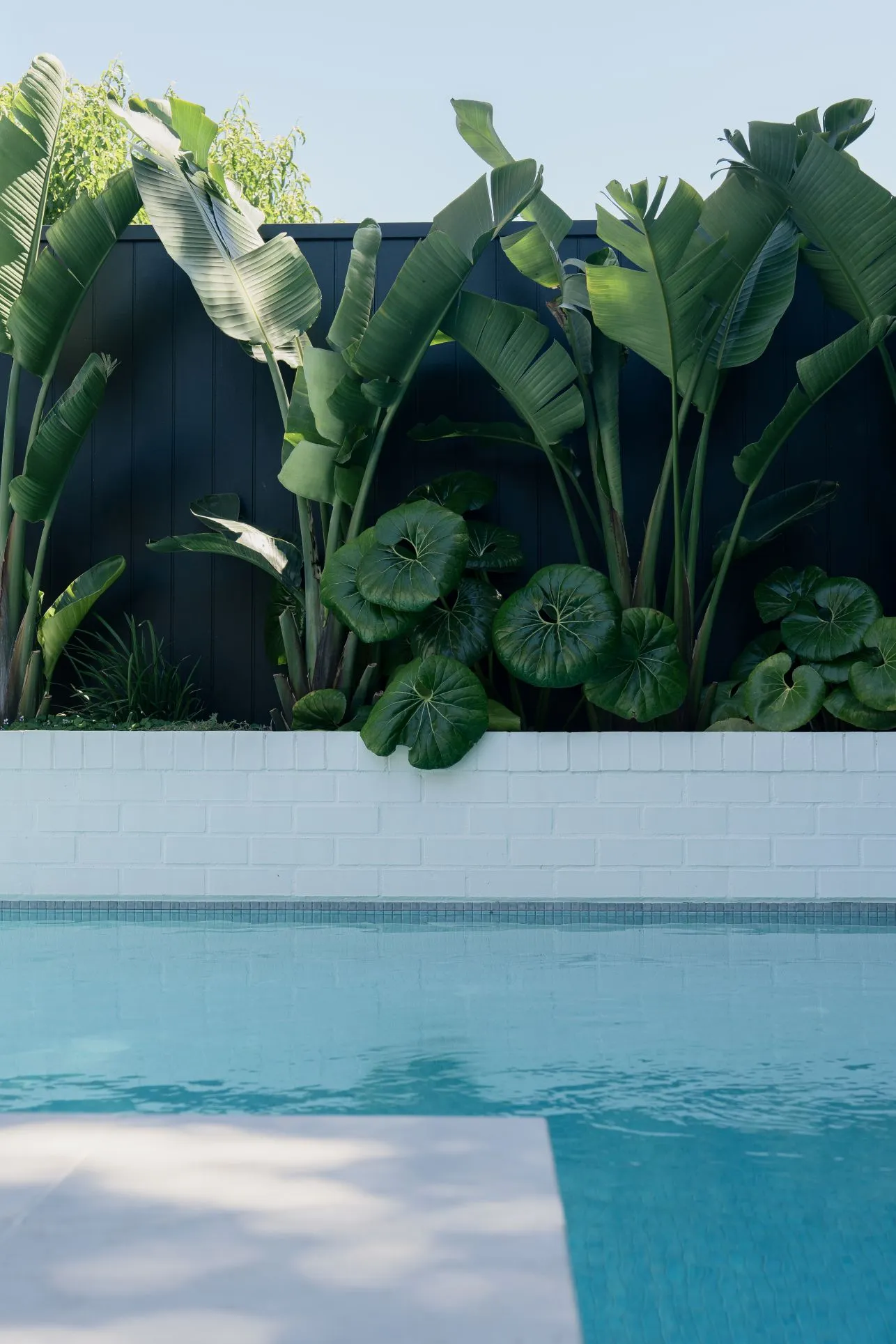
The shape and type of pool you install can determine which coping is required to create a well-fitted, finished edge. While concrete pools can accommodate a variety of coping profiles and formats, fibreglass pools have their own shells and edge specifications to consider when choosing coping.
Pool shape matters most for curved or freeform designs. Unlike straight pool edges, curves may need specially cut stone so the coping follows the shape of the pool and avoids uneven gaps or awkward joins. The size and layout of these pieces will also depend on the pool design.
If standard coping sizes don’t suit your project, RMS Traders can custom-cut pool coping to your design specifications. Coping can be tailored for curved, freeform and other pool designs to create a precise fit around the pool edge.
Contact the RMS Traders team to discuss custom sizing for your project.
Sealing, salt and ongoing care
Pool coping is often exposed to water from pool use, weather, and conditions around the pool. Without appropriate care, this exposure can affect the stone’s appearance and condition over time. Sealing the coping during installation is a good way to help protect the stone from moisture and staining. How often the stone will require resealing depends on a few factors, such as the type of stone, the sealant used, the level of exposure, and ongoing use.
The type of pool should also be considered when selecting natural stone coping. Saltwater and chlorinated pools can have different effects, so the stone, finish, and maintenance requirements may vary. RMS Traders can offer guidance on suitable products and stone sealers for your project.
Finishing details can also enhance the overall pool design. RMS Traders supplies skimmer lids and drain covers that your installer can cut to size from your chosen stone to match the surrounding paving, allowing these functional elements to blend seamlessly into the surface.
What does pool coping cost?
Pool coping costs depend on the type of stone, size, and finish you choose. Across the RMS Traders range, pool coping ranges from approximately $22 to $149 per piece. The overall cost of your project will also depend on the amount of coping you need, your pool design, and other specific project requirements. Keep in mind that the per-piece price refers to the coping itself, and installation is an additional cost.
Common pool coping mistakes to avoid
Choosing the right pool coping for your space goes beyond selecting a stone you like. Before you order, keep these common mistakes in mind:
- Choosing colour before considering the finish
The stone’s finish affects the surface texture and suitability for the pool area, so it’s important to consider more than appearance.
- Using standard tiles instead of pool coping
Pool coping is specifically shaped and finished for use along the pool edge.
- Not planning the rebate before the shell is poured
If you’re using rebated or drop face coping, plan it before the pool shell is poured to ensure it works with the overall design.
- Skipping sealing
Natural stone coping should be properly sealed during installation to help protect it from moisture and staining.
- Ordering coping and paving separately
As natural stone varies between batches, ordering the coping and paving together can help with consistency between the coping and surrounding paving.
Correct installation is also important to the performance and longevity of your pool coping. For more information on preparation, installation and finishing, read our Guide to Installing Tiles.
Find the right pool coping for your project
With different stones, finishes, profiles and sizes to consider, having an expert eye can help you find the right pool coping for your project. Explore the RMS Traders pool coping collection, order a sample online, or visit our Richmond, Hoppers Crossing or Geelong showrooms to see the range in person and speak with our team.
Can pool coping be added to an existing pool?
Pool coping can generally be added or replaced on an existing pool, but it depends on a few factors, like the pool structure, existing edge and surfaces surrounding the pool. It’s best practice to assess the area before ordering your stone, as some pool projects may need custom-cut coping to fit the design.
What is the difference between pool coping and pool pavers?
When comparing coping vs pool pavers, the main difference is where they are used in the pool design. Pool coping is installed around the immediate rim of the pool to create a finished edge around the water. Pool pavers extend out from the coping into the broader area around the pool.
Do all pools need coping?
Most in-ground pools use coping to protect the pool structure and provide a finished edge around the water. However, not all pools will require the same type of coping. The right option depends on the design, construction and how the edge is finished.