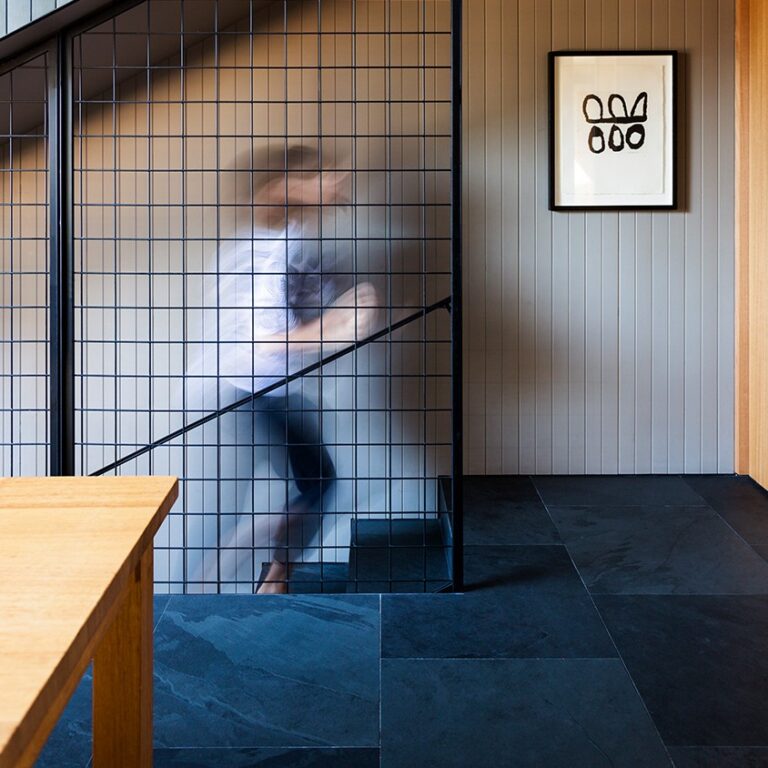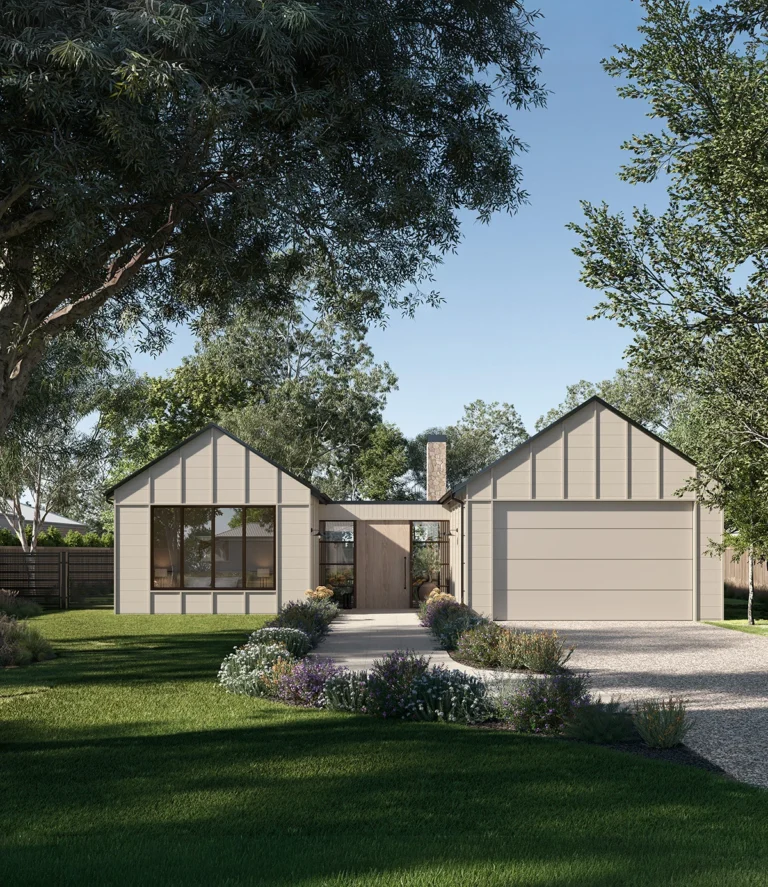
Selecting stone is one of the most permanent renovation choices you can make. Paint can be refreshed, tapware replaced, and cabinetry updated, but stone requires demolition to change. Since your stone selection sets the overall tone for the space, it’s worth considering carefully rather than making a quick decision after browsing a supplier’s catalogue.
This guide is for anyone renovating a bathroom, kitchen, backyard, or even an entire house. Inside, you’ll learn what natural stone is, how different types perform in Australia’s climate, how to interpret finishes and slip ratings, and which stones are best suited to each area of the home. Where relevant, we’ve included links to our range for easy reference.
RMS Traders has supplied natural stone since 1984. We hold one of Australia’s largest physical stone inventories across three Victorian showrooms, and we sell to homeowners and trade alike. Everything below reflects what we see going into real projects.
What Natural Stone Actually Is
Natural stone is a product of nature, formed over time and quarried directly from the earth rather than manufactured or engineered. Each tile or slab has its own natural variation, meaning a sample can provide an indication of the colour and character but cannot represent the exact appearance of the finished surface. When choosing natural stone, it is important to consider more than its appearance. The way the stone was formed and its geological characteristics can influence how it performs in different environments, including its resistance to moisture, foot traffic and everyday wear.
Igneous (Granite & Basalt/Bluestone):
Formed from cooled molten rock, igneous stones are generally dense, durable and highly resistant to wear. Their strength makes them well suited to driveways, areas with vehicle traffic and other high-use outdoor spaces.
Sedimentary (Limestone, Travertine & Sandstone):
Formed over time through the accumulation and compression of sediment, these stones tend to have a more porous structure. Their natural warmth and character make them popular for a range of applications, although sealing and the right specification are important.
Metamorphic (Marble, Slate & Quartzite):
Created when existing rock is transformed by intense heat and pressure, metamorphic stones develop distinct structures, patterns and characteristics. This process can produce the dramatic veining associated with marble, as well as the strength and natural variation found in slate and quartzite.
Choosing stone based on how it will perform in its intended environment is just as important as choosing it for its appearance. A more porous stone used in a high-moisture shower, for example, requires a different approach to a dense stone selected for a driveway or high-traffic outdoor area. You can filter RMS Traders’ stone materials by use case to help identify which types of stone are best suited to different areas of your project.
Explore the geological characteristics of our range in the RMS Traders Stone Dictionary.
Understanding Stone Geology
Natural stone is formed by nature and quarried directly from the earth rather than manufactured or artificially produced. Each piece has its own unique colour, veining and variation, making an understanding of the stone itself important when choosing the right material for your project.
Natural Stone vs Porcelain vs Engineered Stone
When renovating or building in Australia, there are several surface materials to consider, each with different characteristics, benefits and applications. Natural stone offers authentic character, natural variation and lasting appeal. Over time, it can develop a natural patina, and many types can be honed, repolished or repaired. Depending on the stone and its application, sealing and regular maintenance may be required.
Porcelain is a manufactured material designed to be dense, durable and low-maintenance. It is highly resistant to stains and moisture and does not generally require sealing. Modern porcelain can replicate the appearance of natural stone while providing a more consistent finish. Unlike natural stone, however, it cannot typically be refinished or restored in the same way. Porcelain can be a practical option for high-traffic or high-spill areas.
Engineered stone was previously a popular choice for kitchen and bathroom benchtops. However, following changes to Australian regulations, the manufacture, supply, processing and installation of engineered stone benchtops, panels and slabs was prohibited nationally from 1 July 2024 due to the health risks associated with respirable crystalline silica. As a result, renovators are increasingly considering alternatives such as natural stone and porcelain. For a more detailed comparison, read our guide: Natural Stone vs Porcelain Tiles: How to Choose the Right Material.
Stone Types and Their Best Applications
Each type of natural stone has its own geological characteristics, appearance and performance, making some stones better suited to particular applications than others.
Travertine
Travertine is a sedimentary stone formed through the deposition of minerals from natural springs. This process creates its distinctive pores, voids and textured appearance. Available in tones ranging from cream and ivory to silver, walnut and grey, travertine offers a naturally warm and timeless look.
Best for: Alfresco areas, pool surrounds, courtyards, bathrooms, walls and indoor flooring.
Consider: Travertine is available in filled or unfilled finishes. Filled travertine provides a smoother surface, while unfilled or tumbled finishes retain more natural texture and can offer additional grip outdoors. As a calcium-based stone, travertine is sensitive to acidic cleaners and should not be cleaned with products containing vinegar or citrus
Marble
Marble is a metamorphic stone created when limestone is transformed by heat and pressure. It is known for its distinctive veining, movement and wide range of colours, from soft Carrara-style greys to dramatic greens, blacks and golds.
Best for: Bathrooms, ensuites, vanities, splashbacks, fireplaces, feature walls and interior flooring.
Consider: Marble can react with acidic substances such as lemon juice, wine and certain cleaning products, which may leave etching on polished surfaces. A honed finish can make these marks less noticeable. Marble can also develop a natural patina over time, making it well suited to those who appreciate the evolving character of natural stone.
Limestone
Limestone is a versatile natural stone known for its softer appearance and neutral colour palette. Available in shades of cream, grey, taupe and blue, it works particularly well in Mediterranean, coastal and contemporary designs.
Best for: Indoor flooring, bathrooms, courtyards, pool surrounds, façades and wall cladding.
Consider: The porosity and density of limestone can vary between varieties. For outdoor or wet-area applications, choose the right material and finish, and apply suitable sealing where required.
Bluestone
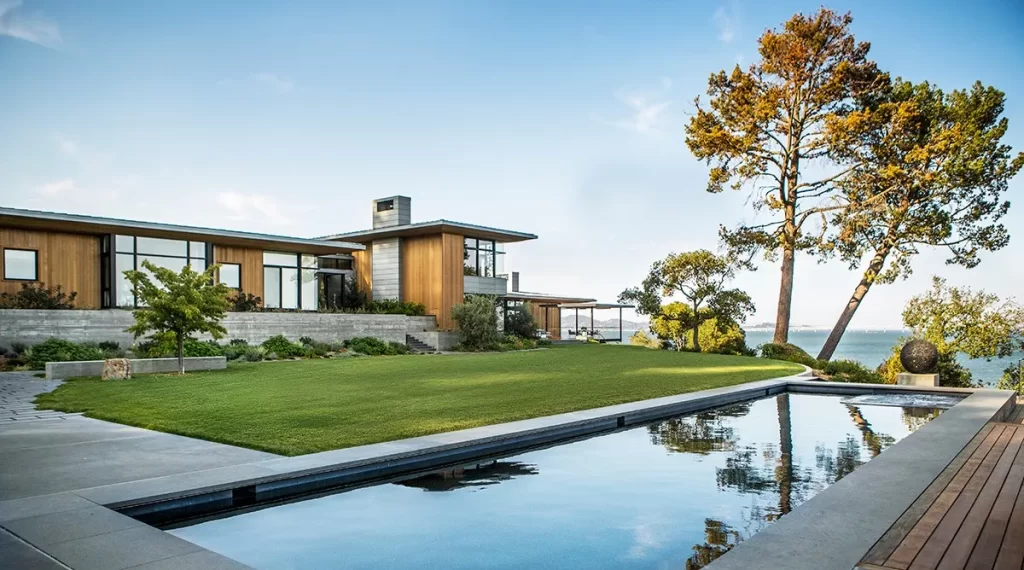
In Victoria, bluestone generally refers to basalt, a volcanic stone recognised for its durability and distinctive blue-grey appearance. Natural vesicles, sometimes referred to as “cat paws”, are formed by trapped gases as the lava cooled and are part of the stone’s natural character.
Best for: Driveways, pathways, alfresco areas, pool coping, cobblestone paving and interior flooring.
Consider: Bluestone is a dark material and can become warm in areas exposed to prolonged direct sunlight. The finish and thickness selected should also match the intended application, particularly in areas subject to vehicle traffic.
Explore: Bluestone tiles, pavers, slabs and cobblestones. You can also learn more in our guide, What Is Bluestone?
Granite
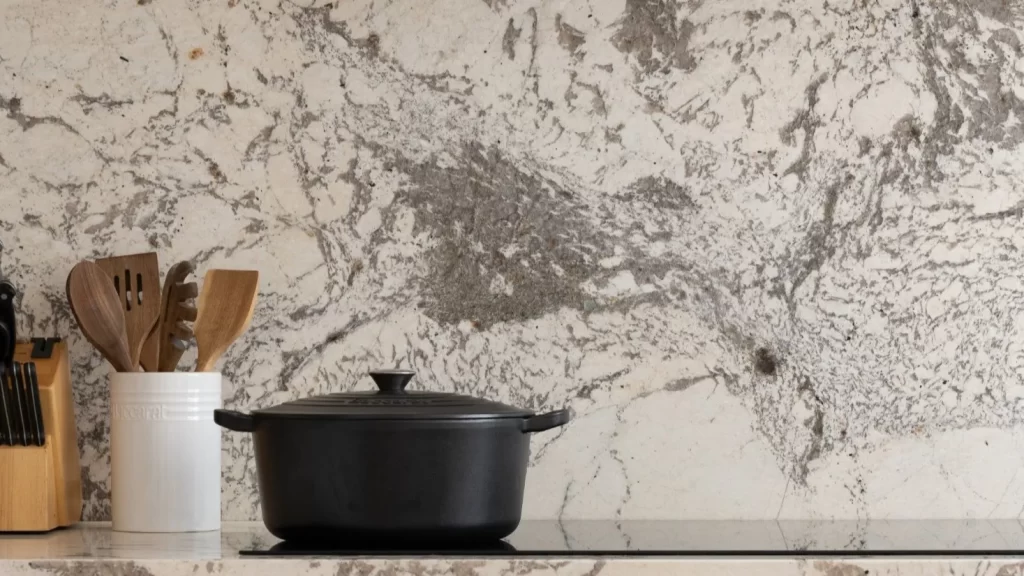
Granite is one of the hardest and most durable natural stones available. Its dense structure makes it highly resistant to everyday wear, weathering and scratching, making it suitable for demanding indoor and outdoor applications.
Best for: Driveways, pool coping, stair treads, high-traffic entryways, outdoor kitchens and selected benchtop applications.
Consider: Granite is heavy and difficult to cut, so accurate measurements and planning are important before installation. The surface finish also affects performance: textured finishes such as flamed or bush-hammered granite can provide better slip resistance, while polished finishes may not be suitable for wet areas.
Explore: Granite tiles, pavers and granite slabs.
Slate
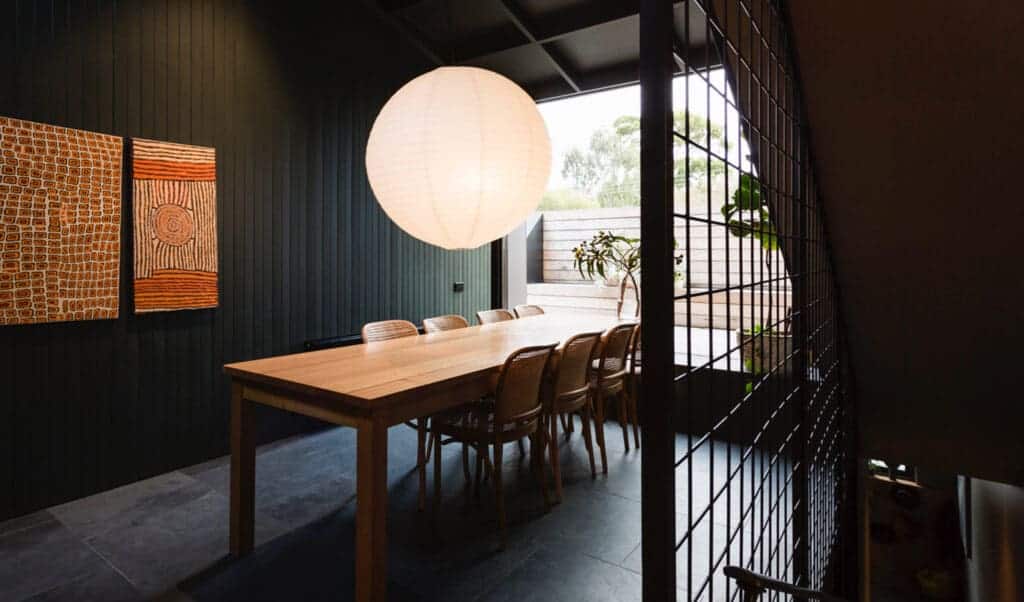
Slate is a fine-grained metamorphic stone with a naturally cleft and textured surface. Its colour variation can include charcoal, green, rust and multicoloured tones, giving each installation a distinctive appearance.
Best for: Entryways, indoor flooring, laundries, mudrooms, feature walls and outdoor paving where a textured surface is preferred.
Consider: Some varieties may experience minor surface flaking after installation. Sealing can also deepen the colour and enhance the natural appearance of the stone, so it is helpful to view a sealed sample before making a final selection.
Sandstone
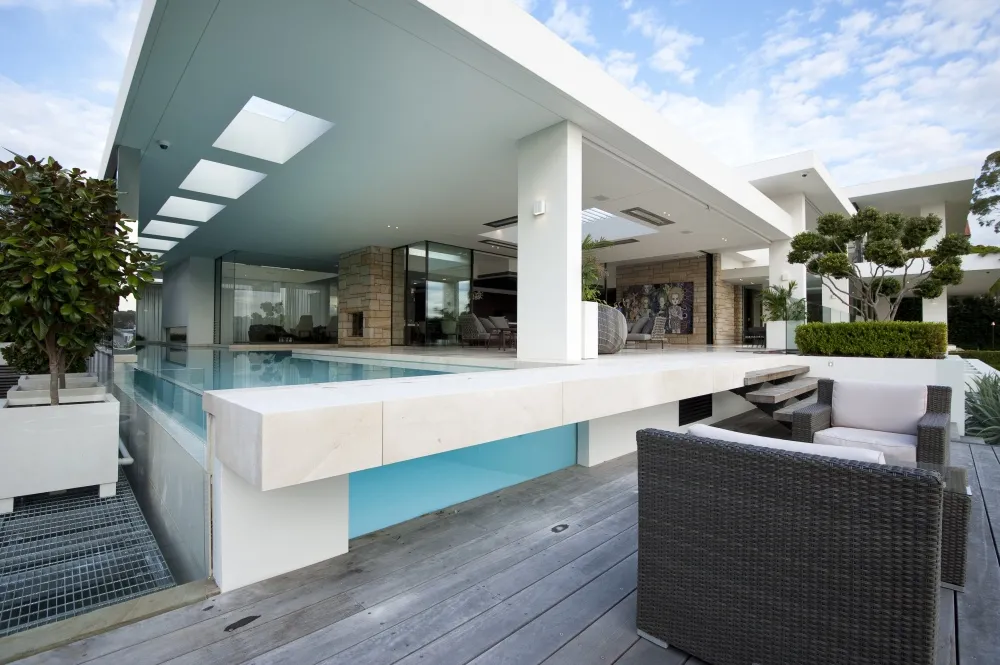
Sandstone is a sedimentary stone known for its warm, earthy colours and natural texture. Its appearance makes it a popular choice for Australian homes, landscapes and architectural projects.
Best for: Wall cladding, garden walls, façades, courtyards, pathways and pool surrounds.
Consider: Sandstone can be more absorbent than denser stone types and may temporarily darken when exposed to moisture. A suitable breathable sealer can help protect the surface while allowing moisture vapour to escape.
Quartzite, Dolomite and Onyx
These natural stones are commonly used for high-impact interior applications.
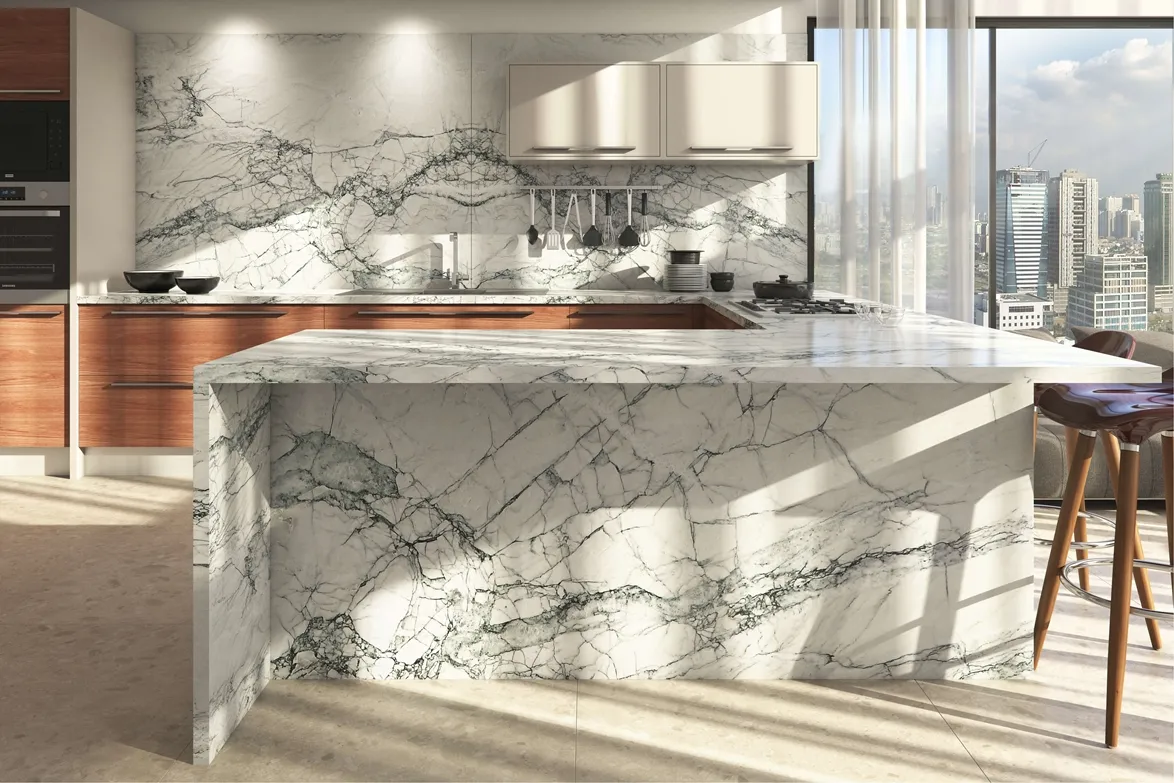
Quartzite is a hard metamorphic stone that can combine dramatic veining with excellent durability, making it a popular alternative for projects where the appearance of marble is desired alongside greater resistance to everyday wear.
Dolomite offers a balance of visual movement and durability and is commonly selected for interior surfaces such as benchtops and vanities.
Onyx is valued for its translucency and distinctive colour variation. It is often used for decorative features and can be backlit to highlight its natural patterns.
Best for: Kitchen benchtops, island features, vanities, splashbacks, feature walls and bar areas.
Terrazzo and Porphyry
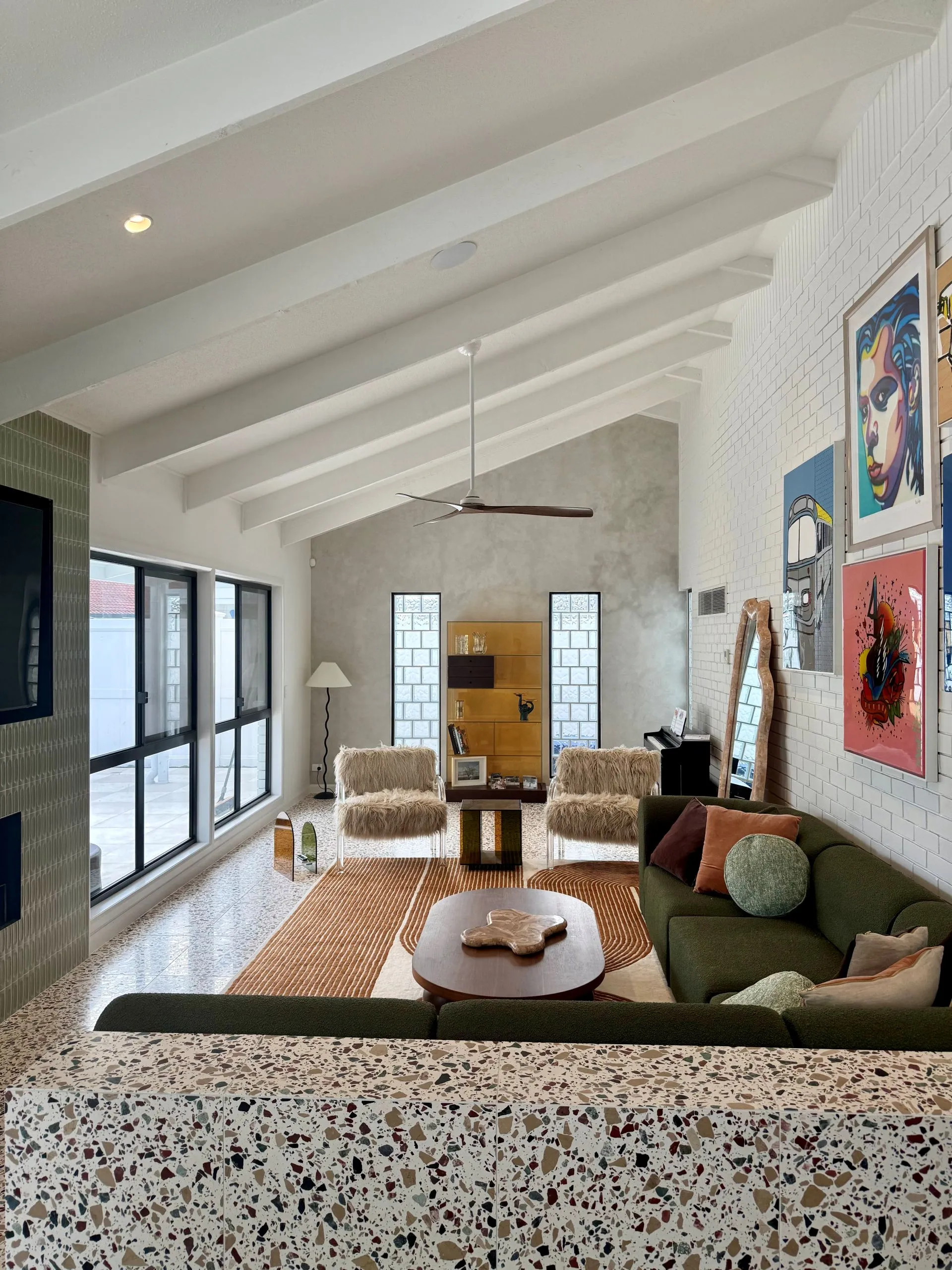
Terrazzo is recognised for its distinctive aggregate appearance and works well in bathrooms, laundries and contemporary interiors where additional pattern and texture are desired.
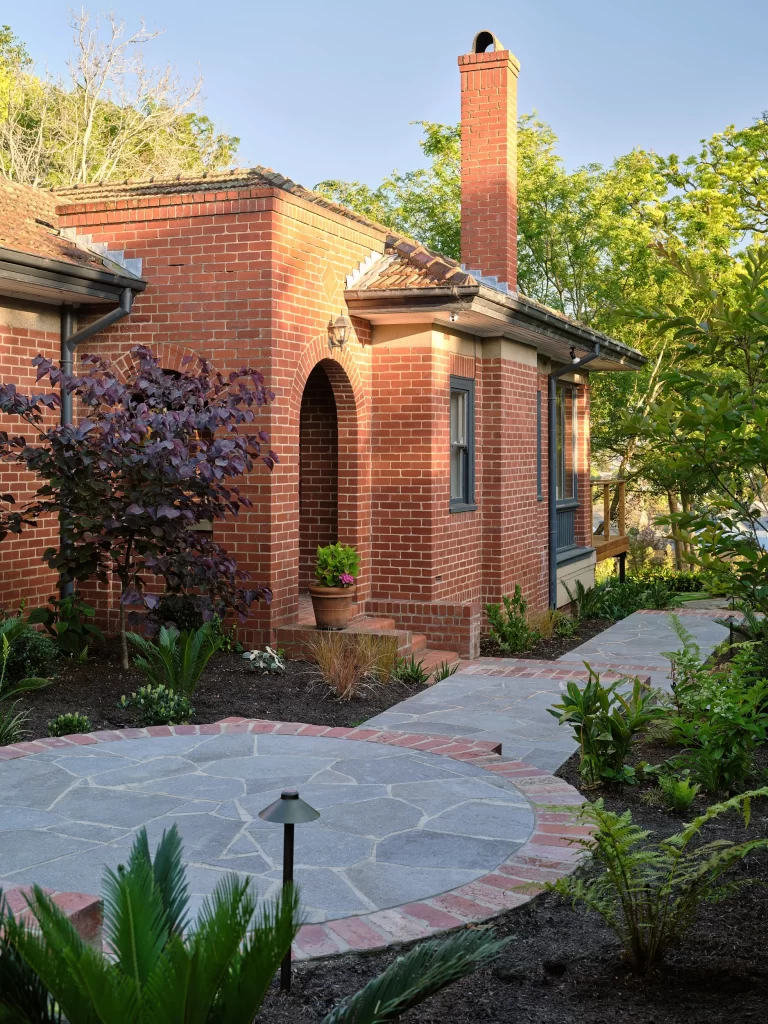
Porphyry is a durable volcanic stone with natural colour variation and has traditionally been used for paving, pathways and driveways.
Understanding Natural Stone Finishes for Renovations
The same stone in two finishes can look and perform like two different materials. This is the lever most renovators underuse.
| Finish | Appearance | Typical use |
| Polished | Reflective, colour at maximum saturation | Vertical interior surfaces, feature walls, some benchtops |
| Honed | Smooth, matt, no shine | Interior floors, bathrooms, benchtops where etching is a concern |
| Tumbled | Softened, rounded edges, aged appearance | Alfresco, pool surrounds, rustic interiors |
| Brushed | Lightly textured by wire brushing | Indoor and outdoor floors needing subtle grip |
| Sawn | Clean machine-cut face, uniform | Contemporary paving, cobblestones, coping |
| Sandblasted | Fine even texture | Pool surrounds, wet areas, stair treads |
| Flamed | Coarse texture from thermal shock | Driveways, granite paving, high-slip-risk zones |
| Split face / natural cleft | Irregular, three-dimensional | Wall cladding, feature walls, facades |
| Vein cut / cross cut | Linear striations vs cloud-like pattern | Slabs and large-format interior tiles |
The practical rule:
The smoother the finish, the more the stone’s colour and natural veining stand out, but the less grip it may provide when wet. Choose the finish based on how and where the stone will be used, not just how it looks on a moodboard.
Slip Ratings: An Important Consideration for Renovations
Slip resistance is an important factor when choosing stone and tile surfaces, particularly in bathrooms, pool areas, outdoor spaces and other areas that may become wet.
Australian slip resistance is measured under AS 4586, with two rating systems commonly referenced:
P ratings (P0–P5):
Measure slip resistance using the wet pendulum test. A higher rating indicates greater slip resistance.
R ratings (R9–R13):
Measure slip resistance using the ramp test and are commonly used when assessing surfaces for wet or barefoot areas.
A practical guide for residential renovations:
| Application Area | Recommended Finishes & Formats | Key Considerations & Performance Notes |
| Internal Dry Areas (Living rooms, hallways, bedrooms) | Honed or polished natural stone | • Best suited for low slip-exposure zones.• Polished finishes highlight colour and veining but are less suitable where moisture is present. |
| Bathrooms & Ensuites | Honed or textured stone finishes, smaller-format tiles, mosaics | • Requires an appropriate slip-resistance rating for the application.• Additional grout joints in smaller formats provide extra foot grip. |
| Shower Floors | Mosaic tiles, wet-area specified stone finishes | • Small formats accommodate the fall/slope toward the waste drain.• High density of grout lines enhances slip resistance in wet conditions. |
| Pool Surrounds & Coping | Tumbled, sandblasted, brushed, or textured finishes | • High exposure to water and bare feet requires elevated slip resistance.• Avoid polished surfaces; always verify product slip ratings for pool environments. |
| Driveways & External Stairs | Flamed, sawn, split, or outdoor-textured finishes | • Driveways require adequate stone thickness and installation systems for vehicle loads.• External stairs require careful planning for drainage, edge detailing, and slip safety. |
| Outdoor Entertaining & Alfresco | Textured or lightly honed surfaces | • Balances aesthetic appeal, barefoot comfort, and moisture safety.• Ideal for spaces frequently exposed to rain or damp conditions. |
Choose the stone finish based on how the surface will be used and the conditions it will face, rather than selecting a finish purely for its appearance. Always check the manufacturer’s technical information and relevant Australian requirements before specifying stone for wet or high-risk areas.
Every RMS product page lists its slip rating alongside its intended uses. If you are specifying for a wet area and the rating is not clear, ask us before ordering rather than after.
Formats: tiles, pavers, slabs and everything between
| Product Type | Typical Thickness | Applications & Uses |
| Tiles | 10 to 20 mm | Interior floors and walls, or exterior areas installed over a prepared substrate. |
| Pavers | 20 to 30 mm+ | External applications and areas built to handle outdoor loading. |
| Slabs | Full stone sheets | Kitchen benchtops, vanities, islands, splashbacks, and feature walls. |
Room by Room: Choosing Natural Stone for Your Home
Every room has different requirements when it comes to natural stone. Moisture, slip resistance, cleaning, traffic and the overall design should all influence your choice of stone, finish and format.
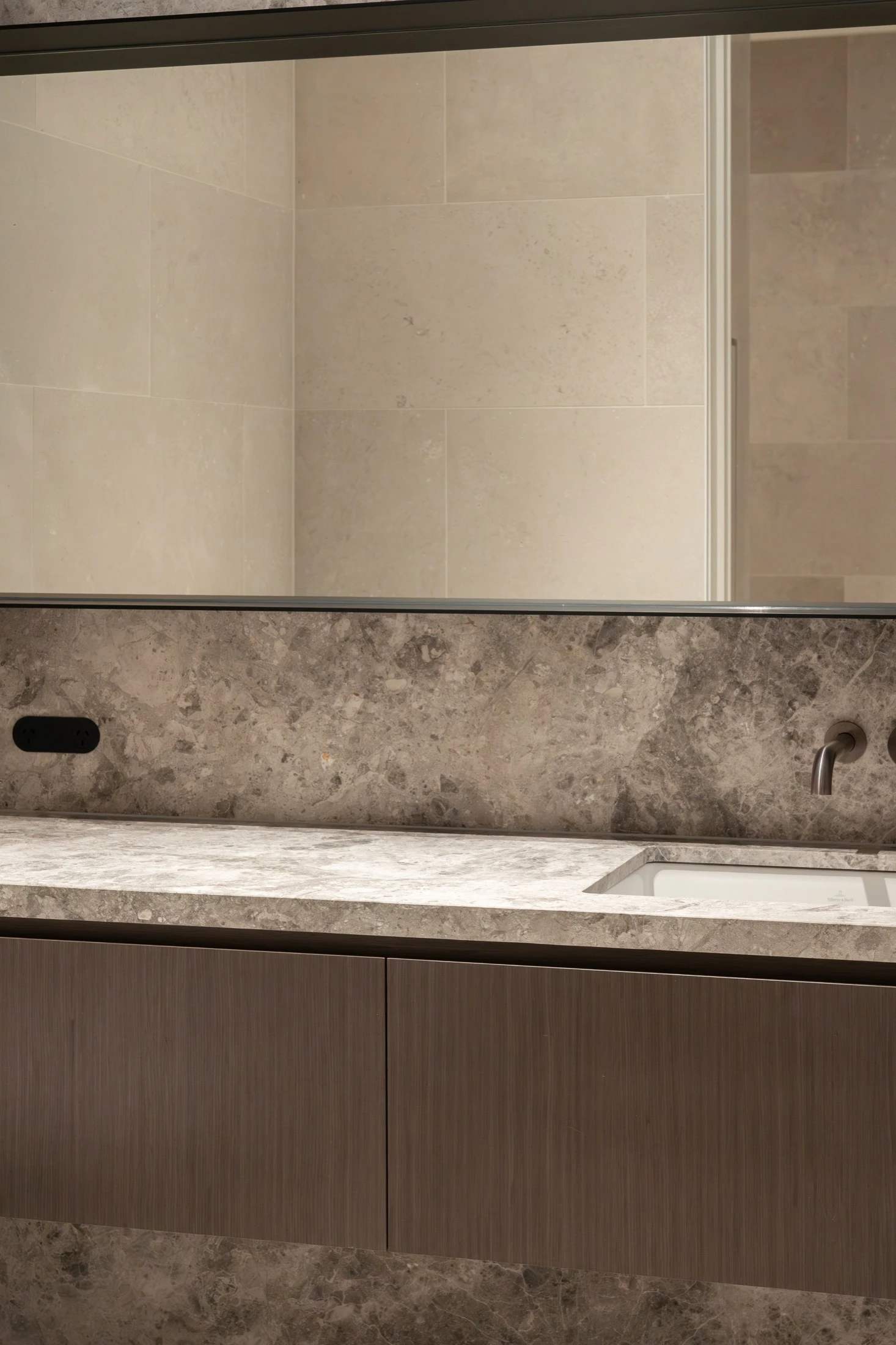
Stone for Bathrooms and Ensuites
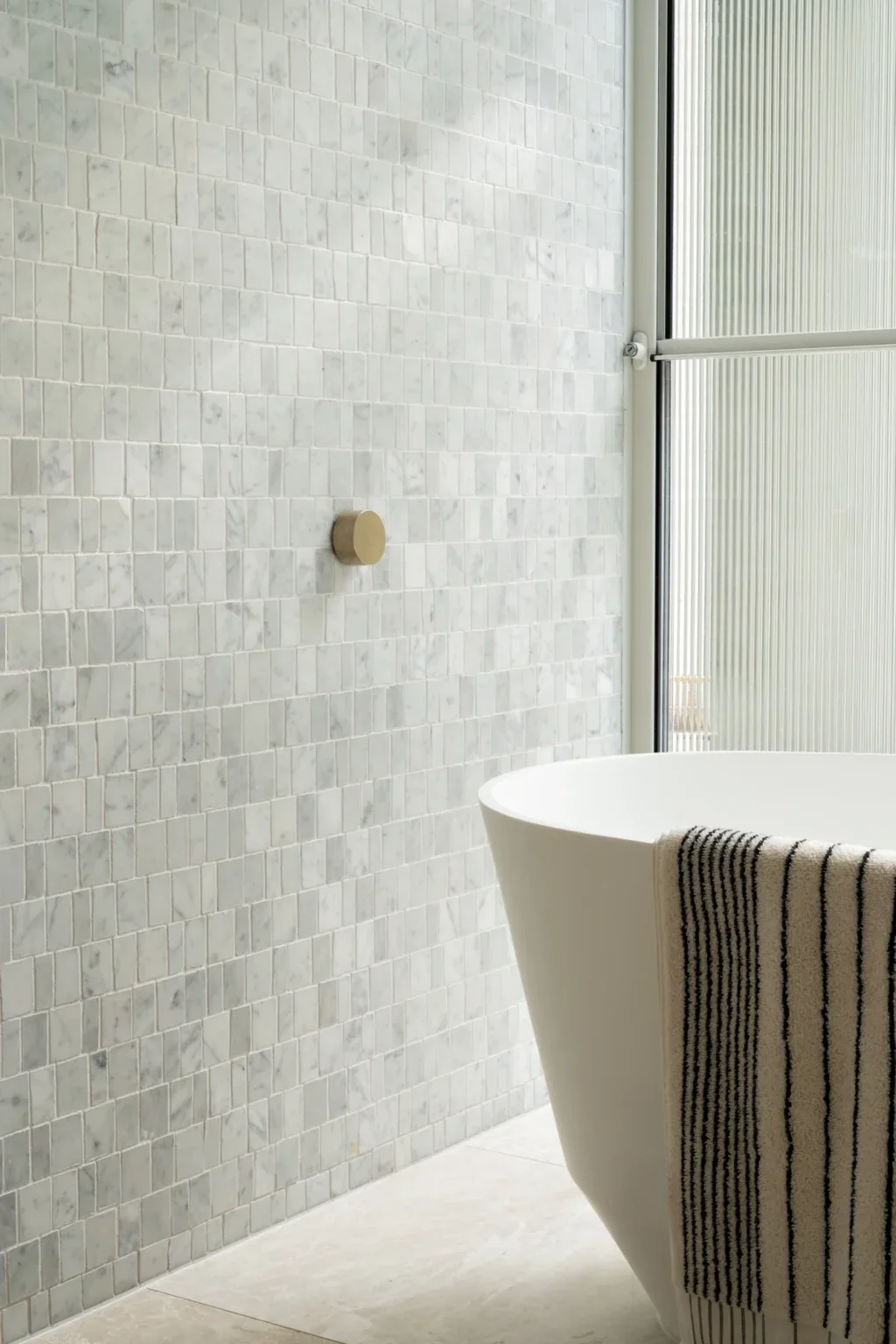
Bathrooms and ensuites require a balance of slip resistance, moisture suitability, durability and easy maintenance. The right stone and finish can create a practical surface while still delivering the natural character of stone.
- Floor: Consider honed or lightly textured limestone, travertine or suitable marble. Choose a tile format that allows the required falls towards the waste to be achieved.
- Shower floor: Mosaics are a practical option because their smaller format creates more grout joints for additional grip and makes it easier to form falls towards the waste.
Explore Mosaics - Walls: Large-format stone tiles or slabs can create a cleaner, more spacious look. Polished finishes can work particularly well on walls, where slip resistance is less of a concern.
- Vanity top: A marble or quartzite slab can create a strong focal point without requiring large quantities of stone. Using a suitable slab offcut can also be a cost-effective way to introduce premium natural stone into a bathroom.
- Niche: Continue the floor stone into the niche for a cohesive finish, or use a contrasting mosaic to create a feature.
Travertine and marble are two popular choices for bathroom renovations, but they have different characteristics when it comes to appearance, maintenance and performance.
How to Choose Travertine vs Marble for the Bathroom
Best Stone for Kitchen Renovations
Kitchens are high-use spaces, so the best stone depends on where it will be installed. Your benchtop, splashback and floor each have different performance requirements, and they do not necessarily need to use the same material.
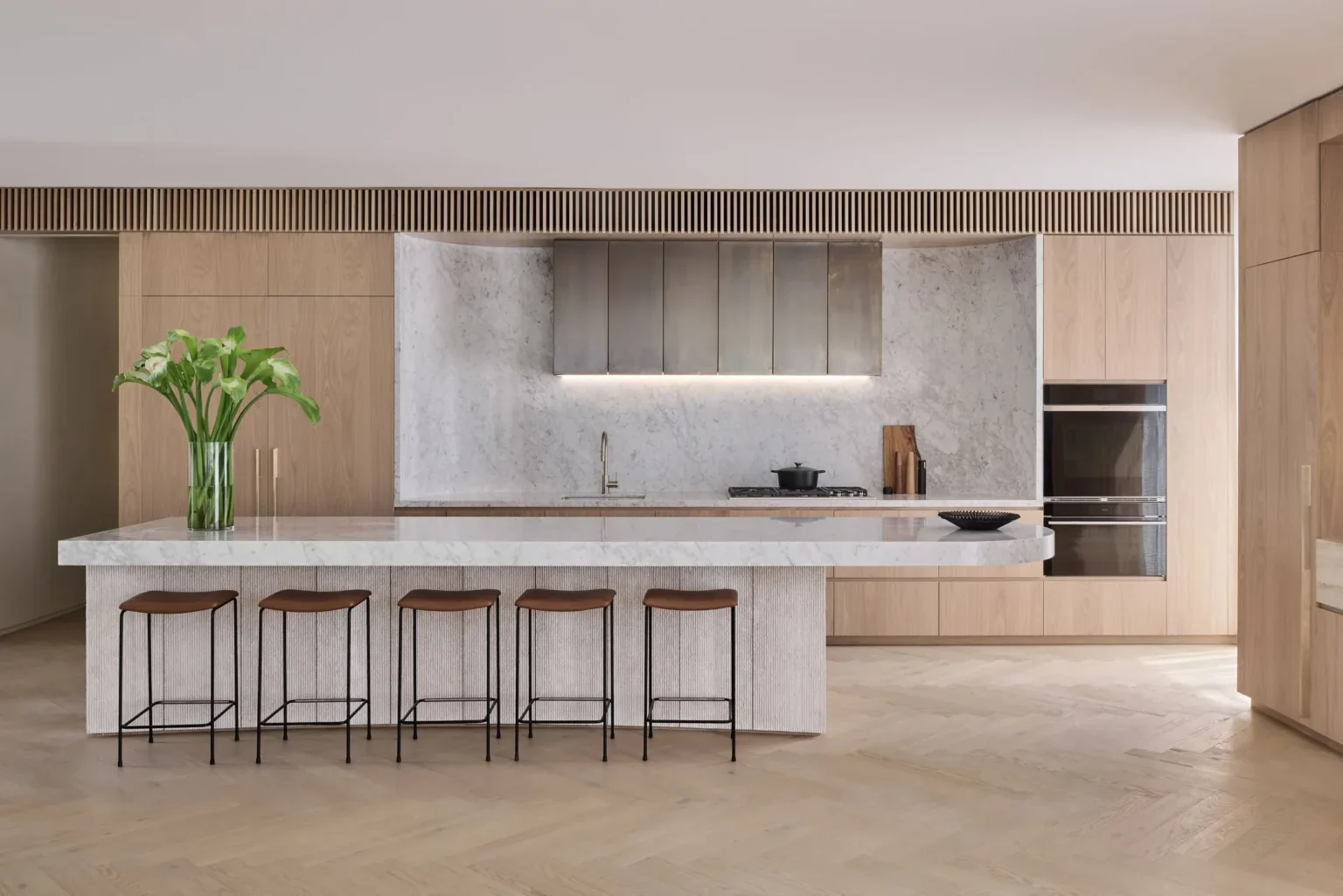
- Kitchen benchtops: Natural stone materials such as quartzite, granite and marble can all be suitable for kitchen benchtops when properly sealed and maintained. Quartzite offers distinctive veining and excellent durability, granite is a strong choice for high-use surfaces, while marble is ideal for homeowners who appreciate its natural character and developing patina.
- Kitchen splashbacks: A full slab splashback in the same stone as the benchtop creates a seamless, cohesive look. For more texture and visual interest, consider smaller formats such as batons, mosaics or subway-style tiles.
- Kitchen floors: Choose a surface that can handle regular foot traffic, spills and everyday cleaning. Porcelain, bluestone and honed limestone can all work well, depending on the desired look and the specific requirements of the space.
For a kitchen renovation, think beyond appearance: the right stone should suit the level of use, moisture exposure, maintenance requirements and overall design of each surface.
Stone for Living Areas and Indoor Flooring
Natural stone flooring can create a strong sense of continuity throughout a home, particularly when the same material is carried between connected living spaces. Larger tile formats can reduce the number of grout lines and create a cleaner, more spacious appearance.
When choosing stone for living rooms, hallways and other indoor areas, consider durability, maintenance, finish and how the surface will work with the rest of the interior. Natural stone can also work well with underfloor heating because it conducts and retains heat effectively.
Suitable options for indoor flooring include limestone, travertine, slate and porcelain, with the best choice depending on the desired appearance, level of foot traffic and maintenance requirements.
Stone for Fireplaces and Feature Walls
A natural stone fireplace or feature wall can become a strong focal point in a living space. Large-format slabs showcase natural veining and movement, while split-face stone cladding adds depth and texture.
For a working fireplace, always confirm that the selected stone and installation system are suitable for the expected heat exposure before specifying the material.
Stone for Hallways, Stairs and Entries
Hallways, entries and staircases experience regular foot traffic, while stairs require particular attention to slip resistance. Choose a suitable textured finish for stair treads rather than simply matching the finish used on adjacent flooring.
Granite and bluestone are durable options for high-traffic areas, subject to the specific product and application.
Stone for Laundries and Mudrooms
Laundries and mudrooms are practical spaces where stone can perform particularly well. These areas are often exposed to moisture, dirt and grit, so a durable and easy-to-maintain floor can be a worthwhile choice.
Terrazzo and slate can add character while providing practical flooring options for these smaller spaces.
Stone for Facades and Entries
Stone cladding can add texture, depth and architectural character to an otherwise plain rendered or brick façade. The right stone can also help connect the exterior of the home with its landscaping and entrance.
Sandstone and limestone work well with warm, traditional and heritage-inspired designs, while bluestone and granite can suit more contemporary architecture.
Stone for Alfresco Areas and Outdoor Kitchens
Alfresco areas create a transition between indoor and outdoor living spaces. Continuing a similar stone from the interior through to the alfresco can create a more cohesive appearance and make the two spaces feel visually connected.
For exposed outdoor areas, consider heat absorption, moisture, slip resistance and the appropriate surface finish. Travertine, limestone and porcelain are popular options, depending on the project requirements.
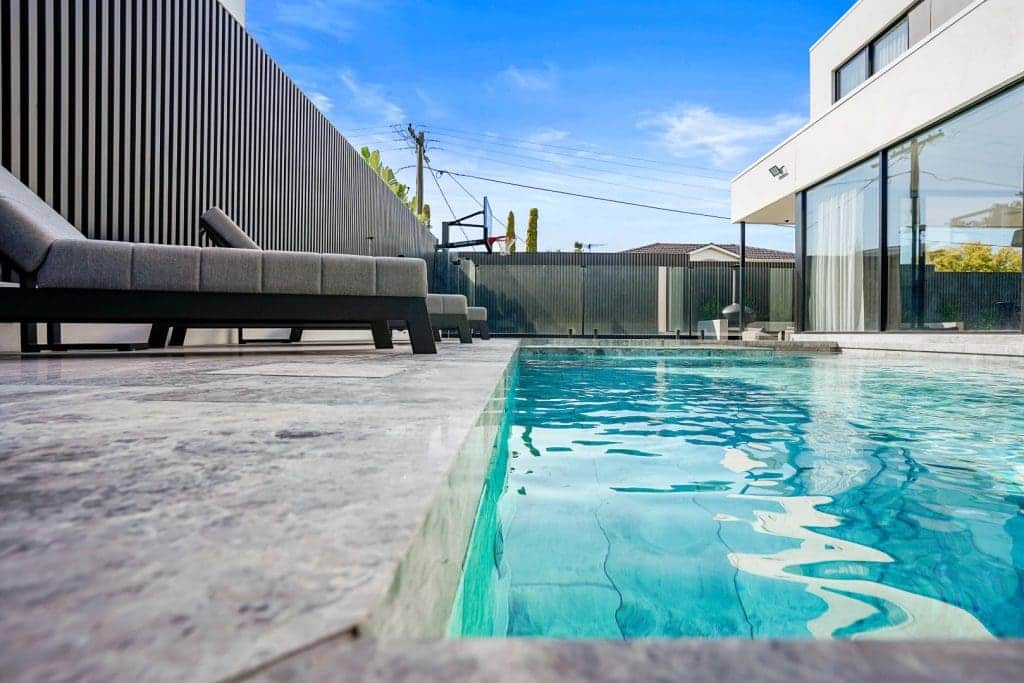
Stone for Pool Surrounds and Coping
Pool areas require careful stone selection because surfaces are exposed to water, bare feet, chemicals and direct sunlight. Slip resistance, heat absorption, water exposure and the coping profile should all be considered before choosing a product.
- Pool coping: Choose from bullnose, rebated or drop-face profiles to suit the pool edge and installation detail.
- Pool surrounds: Tumbled or sandblasted travertine and limestone, as well as appropriately finished granite, can provide suitable textured surfaces for outdoor pool areas.
- Pool interiors and waterline: Pool mosaics provide a practical way to introduce colour, pattern and detail around the waterline.
Explore Pool Mosaics - Drainage details: Matching skimmer lids and drain covers can help create a more seamless finish across the pool surround.
Stone for Driveways
Driveways require a different specification from standard patios or pedestrian areas because the surface must withstand vehicle loads. Stone thickness, load suitability, installation method and base preparation all need to be considered.
Bluestone, granite, porphyry and cobblestones can be suitable options, depending on the specific product, thickness and installation system.
Stone for Pathways, Courtyards and Gardens
Outdoor landscaping provides an opportunity to use natural stone in more creative ways. The format and layout can be matched to the style of the garden, from informal pathways to structured heritage-inspired courtyards.
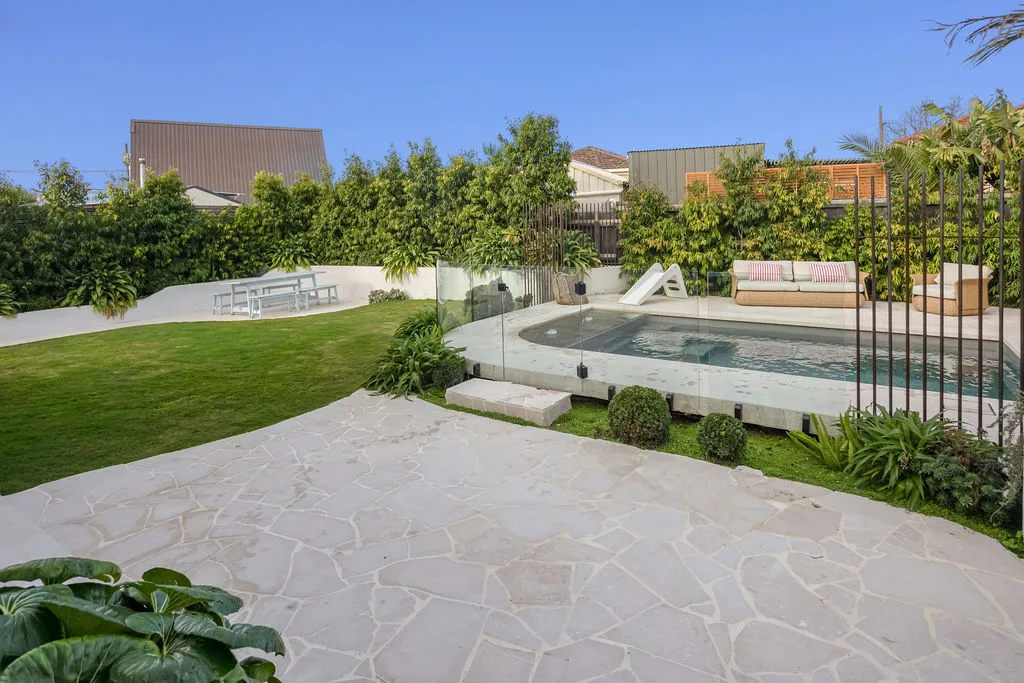
Crazy paving creates an organic, irregular appearance, while stepping stones can create pathways through planting. Cobblestones are useful for edging, borders and traditional-style landscapes.
Planning a DIY project? Read our guide: How to Lay Natural Stone Crazy Paving
Stone for Outdoor Showers and Water Features
Outdoor showers and water features are continuously exposed to moisture, making drainage, slip resistance, stone porosity and sealing important considerations.
Textured finishes are generally preferable where surfaces are regularly wet. The colour and surface characteristics of the stone should also be considered when choosing a material for areas exposed to mineral deposits or hard water.
Stone Finishing Touches
Natural stone does not have to stop at flooring, walls and benchtops. Smaller details can carry the material throughout your interior styling and help create a more cohesive look.
Marble homewares, including coasters, platters and wine coolers, can add a subtle touch of natural stone, while travertine furniture brings the material into living and entertaining spaces.
Renovating the whole home: designing for continuity
If you are renovating comprehensively rather than room by room, resist the temptation to choose a different stone for every space. The strongest projects we supply typically use two or three stones across the entire house.
A workable structure:
- Choose one primary stone and run it across the largest continuous area, usually the ground floor and out to the alfresco. Change the thickness and finish for exterior use, not the stone.
- Choose one feature stone for benchtops, vanities and any bookmatched wall. This is where the veining and budget go.
- Choose one textural stone for cladding, the facade or a fireplace, so there is a tactile counterpoint to the smooth floors.
- Vary format, not material, where you need visual separation. Mosaics in the shower, batons on a splashback and crazy paving in the garden can all sit within one material family.
This approach can also make the renovation more practical and cost-effective. Using fewer stone types can simplify sealing and maintenance, streamline ordering and make it easier to use offcuts across different areas of the project.
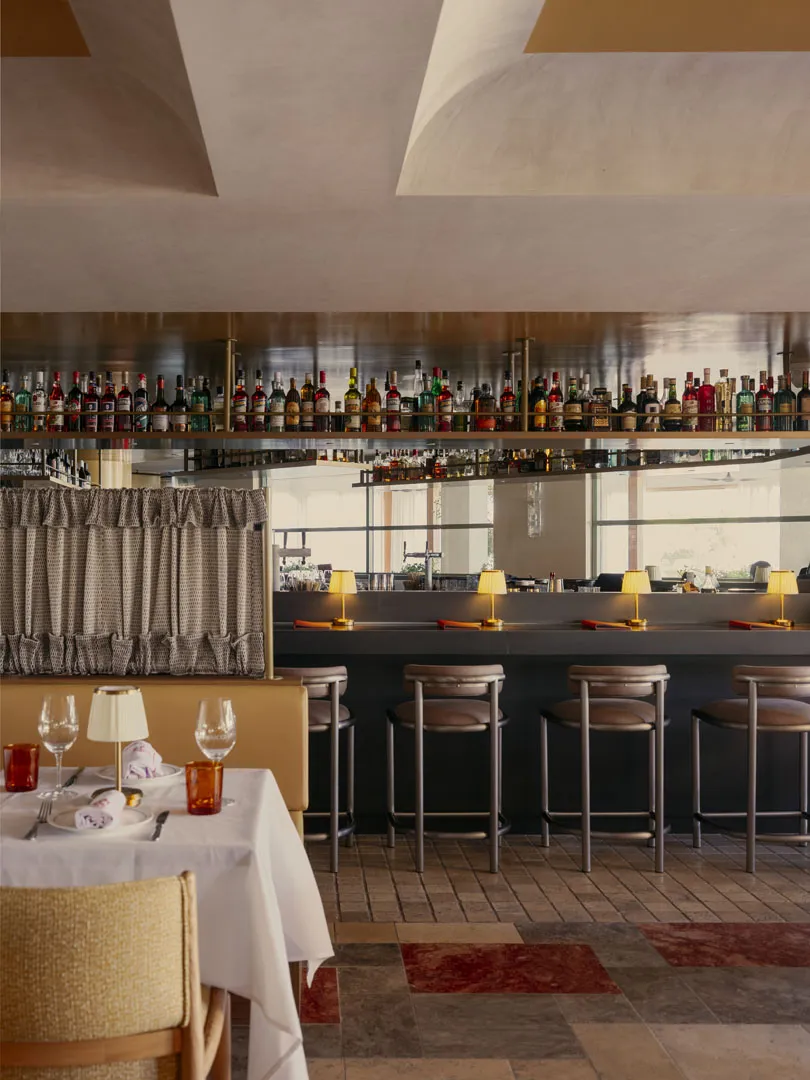
Budgeting, Quantities and Wastage
Understanding how natural stone is priced and allowing for the right amount of material can help prevent unexpected costs during a renovation.
How stone is sold:
Tiles and pavers are generally sold by the square metre, while slabs are sold individually and priced according to the material, size and slab characteristics. Cobblestones and stepping stones may be sold by the piece or square metre, depending on the product.
How much extra stone should you order?
Allow for cutting, breakage and natural variation when calculating your order. As a general guide:
- Straight-lay tiles and pavers: add around 10%
- Diagonal or herringbone layouts: add around 15%
- Crazy paving: add around 10–15%
- Complex cuts, curves and multiple penetrations: add around 15–20%
Ordering too little can be more expensive than allowing for wastage from the beginning. Natural stone can vary between batches, so a later order may not have exactly the same colour, veining or tonal range. Where possible, order the full quantity, including wastage, at the same time.
Where does the cost come from?
The stone itself is only one part of the overall renovation budget. Installation, substrate preparation, waterproofing, cutting and site access can all have a significant impact on the final cost. A slightly higher-priced stone that is easier to install may ultimately provide better value than a cheaper material that requires more preparation or results in greater wastage.
Ways to manage your budget: Use a premium feature stone in smaller, high-visibility areas such as a vanity, splashback or fireplace, and select a more economical material for larger surfaces. It is also worth asking about suitable slab offcuts for smaller applications.
Sealing and Maintaining Natural Stone
Sealing is an important part of caring for many natural stone surfaces. A sealer does not make stone completely waterproof; instead, it reduces absorption and gives you more time to clean up spills before they penetrate the surface.
Before installation:
Porous stone such as travertine, limestone and sandstone may benefit from pre-sealing. This can also help prevent grout residue from becoming embedded in the surface.
After installation:
Once the grout has cured, apply the appropriate penetrating sealer according to the manufacturer’s instructions, including the recommended coverage and application method.
Ongoing maintenance:
Resealing should be based on the stone, location and level of use rather than a fixed schedule. A simple water test can help indicate whether additional sealing is required: place a few drops of water on the surface and leave them for approximately 10 minutes. If the stone darkens as it absorbs the water, it may be time to reseal.
Everyday cleaning: Use a pH-neutral stone cleaner and clean water. Avoid acidic products such as vinegar and lemon on calcareous stones including marble, limestone and travertine, as acids can etch the surface. Bleach and harsh general-purpose bathroom cleaners should also be avoided unless the product manufacturer confirms they are suitable for the specific stone.
Outdoor stone:
Sweep outdoor surfaces regularly and wash them periodically as required. Where sealing is appropriate, choose a breathable product that allows moisture vapour to escape rather than becoming trapped beneath the surface.
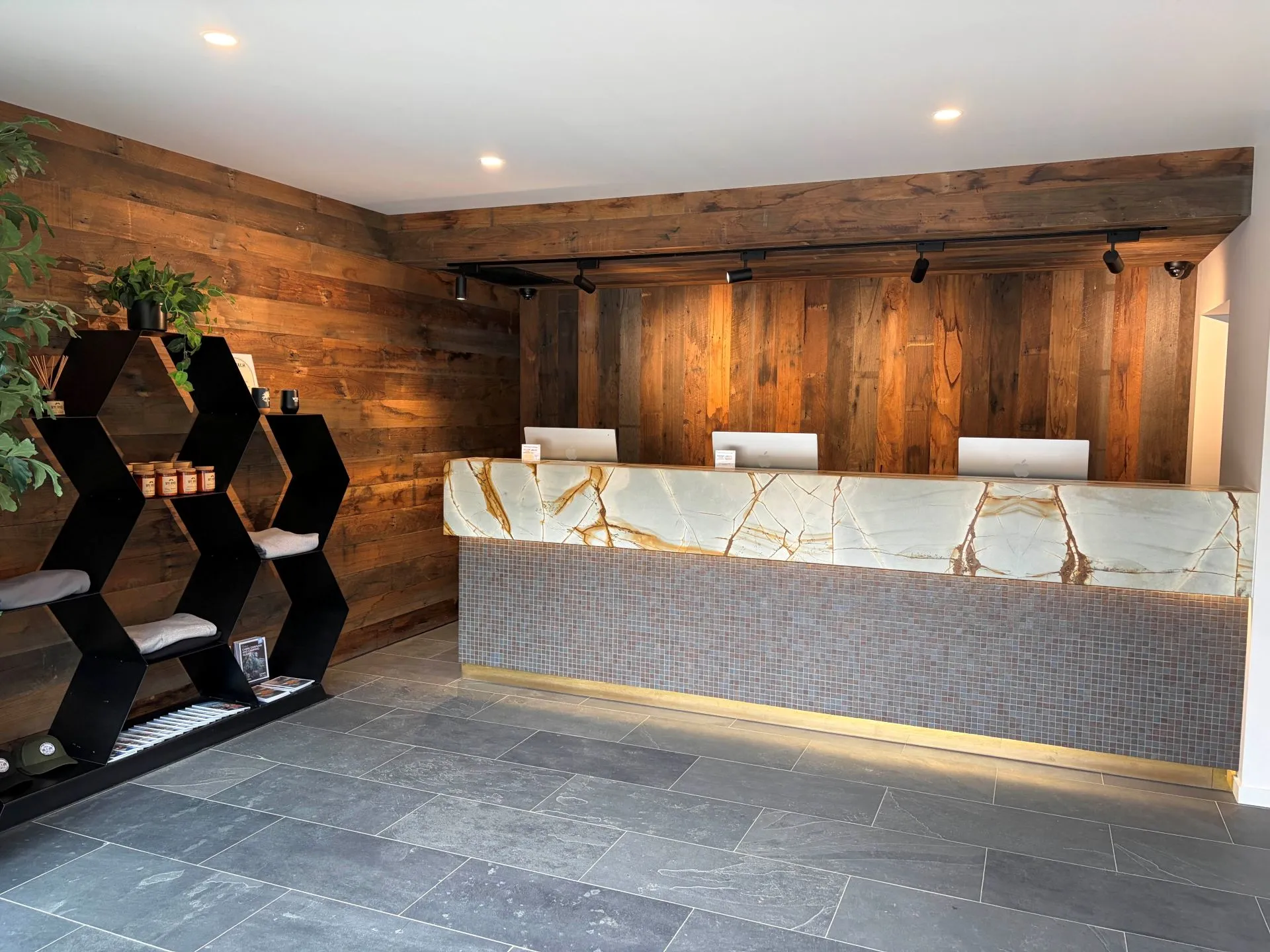
Natural Stone Installation Essentials
Even when your renovation is being completed by a professional installer, understanding the basics of good stone installation can help you make informed decisions and protect your investment.
Substrate:
The surface must be sound, clean, stable, level and appropriately cured. Movement or defects in the substrate can transfer through to the stone and contribute to cracking.
Waterproofing:
Waterproofing is essential in residential wet areas and should comply with the relevant requirements of AS 3740. Waterproofing must be completed and appropriately inspected before tiling begins.
Adhesive:
Use an adhesive suitable for the selected stone and application. White adhesive is generally preferred beneath light-coloured or translucent stone because darker adhesive can show through. Stone should be properly bedded rather than relying on spot fixing.
Grout: Grout colour can significantly affect the final appearance. A closely matched grout creates a more continuous look, while a contrasting colour highlights individual tile shapes and patterns. Check the product recommendations for the selected stone.
Falls and drainage: Wet areas and outdoor surfaces need appropriate falls towards drains. Standing water can contribute to staining, efflorescence and slip hazards.
Movement joints: Movement joints are important across larger installations and at changes of plane. Failing to allow for movement can contribute to tenting, cracking and other installation problems.
Dry lay before fixing: Natural stone has inherent variation. Laying out several tiles or slabs before permanent installation allows the installer to distribute colour and tonal differences across the space rather than concentrating similar pieces in one area.
View Install & Product Specifications
Sustainability and Natural Stone Sourcing
One of the key advantages of natural stone is its longevity. A well-selected and properly installed stone surface can remain in use for decades, reducing the need for frequent replacement.
RMS Traders is a Certified B Corporation and states that it offsets carbon emissions associated with its products, staff, travel and energy. The company also sources directly from quarries with which it has established relationships, providing greater visibility into the sourcing and processing of its materials.
How to Buy Natural Stone: Samples, Showrooms and Trade Accounts
Choosing natural stone is easier when you can see and feel the material in person. Photography cannot always capture the full range of colour, texture, veining and natural variation.
Order samples first: Select samples before committing to a larger order so you can assess the stone in your own space.
View samples in your home: Look at samples in the actual room and under different lighting conditions. Compare them when dry and, where relevant, wet, as moisture can significantly change the appearance of natural stone.
Visit a showroom: Larger displays can provide a much better understanding of the variation and scale of a material than a small sample.
Trade customers
Builders, landscapers, designers and architects with an eligible ABN or ACN can access trade pricing and a curated sample kit.
Frequently Asked Questions
Which natural stone is best for a bathroom renovation?
Travertine, limestone and marble can all work well in bathrooms when the stone, finish and installation are appropriate for the application. Marble provides strong visual impact but can etch when exposed to acidic substances. Travertine offers warmth and texture, while limestone provides a softer, more understated appearance. For shower floors, smaller-format tiles or mosaics can help with drainage and provide additional grout joints for grip.
Which natural stone is best for a kitchen benchtop?
Quartzite, granite, limestone, travertine and marble are popular natural stone options for kitchen benchtops. Quartzite can provide dramatic veining with strong durability, granite is known for its resistance to everyday wear, while marble is suited to homeowners who appreciate its natural patina and are comfortable with its maintenance requirements.
Does all natural stone need sealing?
Yes. All natural stone should be sealed. Stone is porous, so sealing helps resist staining and makes cleaning easier. Porous stones like travertine, limestone and sandstone absorb most readily, while denser stones absorb more slowly but still need sealing. Porcelain does not require sealing.