
When deciding between natural stone vs porcelain tiles, the choice goes beyond appearance. While both materials are valued for their durability and versatility, they offer distinct qualities, from appearance to long-term performance. The key to making an informed decision is understanding these differences, as they will help determine the most suitable material for your renovation.
Natural stone is prized for its authentic beauty and natural variation, while porcelain is favoured for its consistency and low-maintenance appeal. Both materials are widely used in residential and architectural projects, with the suitable choice depending on design style, budget, maintenance expectations, and where the material is installed.
In this guide, we’ll compare natural stone tiles vs porcelain across these considerations to help you determine which option suits your project best.
Explore RMS Traders’ range of Porcelain Tiles Australia and Natural Stone Collection to discover premium materials suited to your next project.
What’s the difference between natural stone and porcelain tiles?
In design, natural stone and porcelain can achieve a similar aesthetic. Where they differ is their origin. Natural stone, like that supplied by RMS Traders, is sourced directly from the earth from quarries all around the world, meaning every stone is unique.
There are many kinds of natural stones, such as marble, travertine, bluestone, etc., each with different material compositions, colour variations, veining, textures, and paths of formation. And when used in interior design, they bring their own essence and atmosphere, giving each installation a distinctive appearance. For a range of natural stone tiles in Australia, RMS Traders is a trusted source supplying premium-quality stone that is ethically and sustainably sourced.
On the other hand, porcelain is a manufactured material. It generally consists of a mixture of refined clay (commonly kaolin), feldspar and quartz (silica), although the composition may vary. This combination is then pressed and fired at extremely high temperatures to create a dense, durable, and low-porosity material. Modern manufacturing has also provided techniques to imitate natural stone and create stone-look porcelain tiles that are increasingly realistic. These allow homeowners to achieve the aesthetic of natural stone while having greater consistency in look and lower maintenance at a more accessible price point.
Natural stone vs porcelain tiles: design and appearance
The choice of materials can define the feel and ambience of a space. While natural stone and porcelain offer endless design possibilities, it’s important to consider their different visual outcomes.
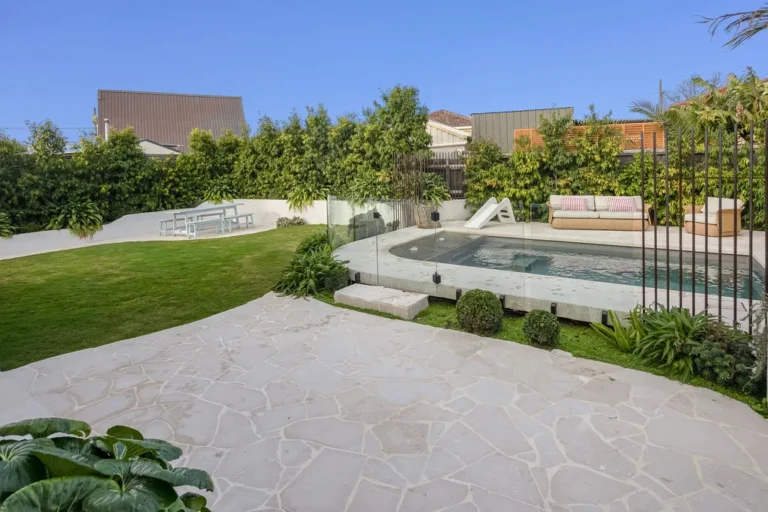
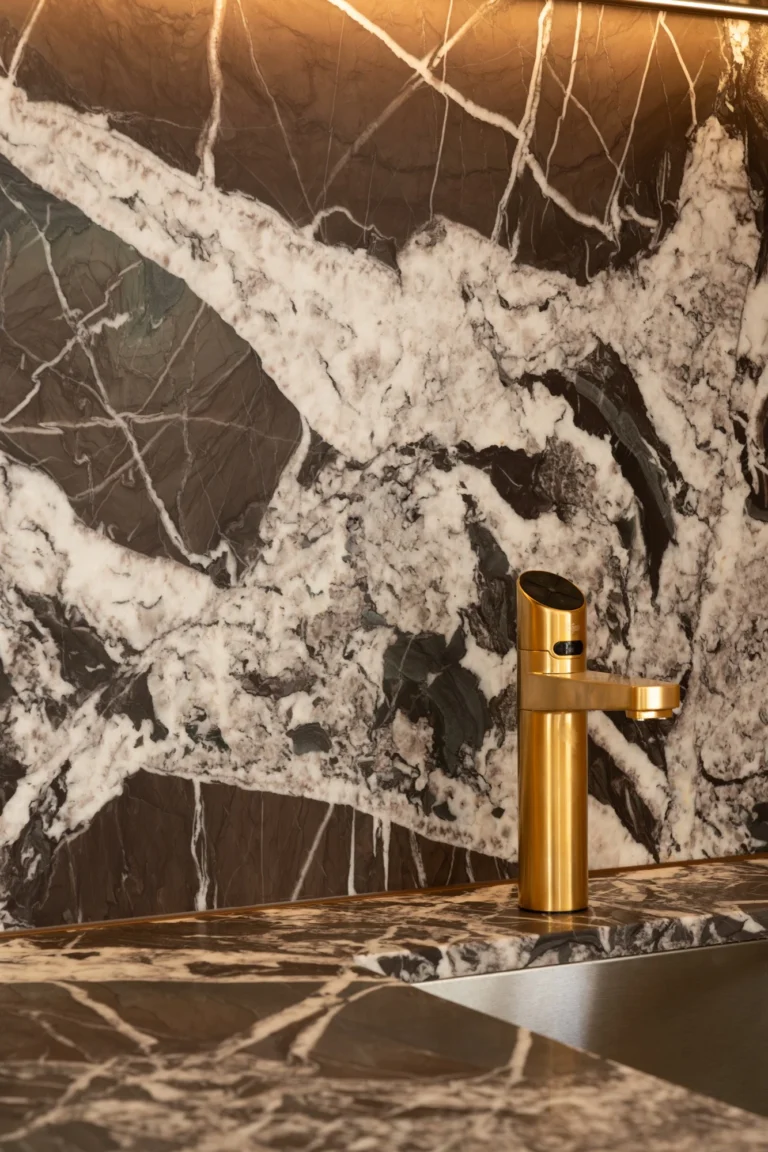
Formed over thousands of years, natural stone is prized for its beauty and quality, with each stone slab and tile being entirely unique. It also features striking natural veins, colour variations, movement and texture that can’t be exactly replicated. These characteristics give natural stone tiles their individuality and luxurious feel, making them a favoured choice for architectural homes and premium residential and commercial projects.
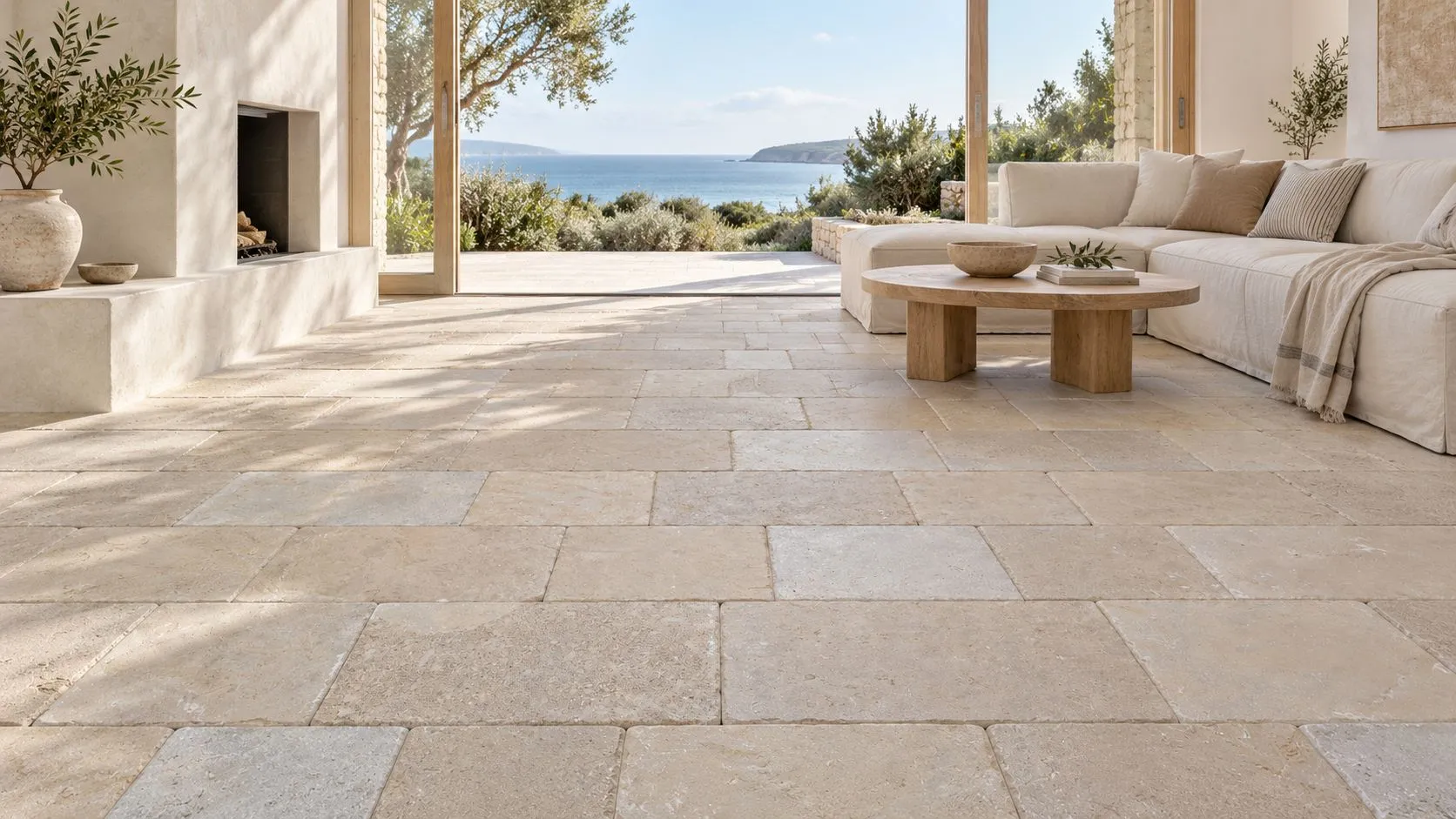
RMS Traders’ range of natural stone tiles Australia includes materials like Tuscan Travertine Crazy Paving, valued for its casual yet elevated style; Premium Bluestone, a timeless and elegant material; and Surf Green Slate, which brings warmth and boldness through colour to contemporary spaces.
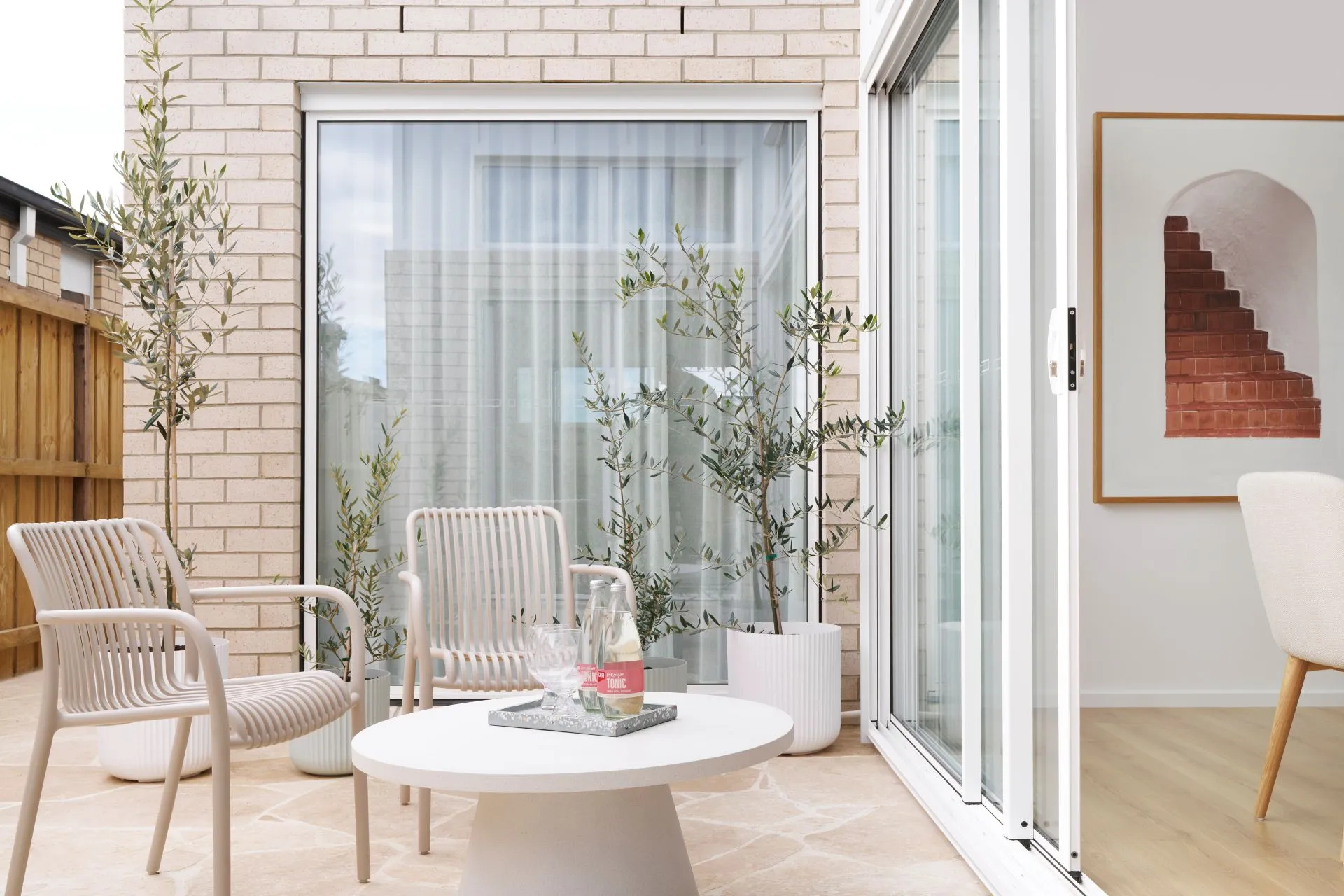
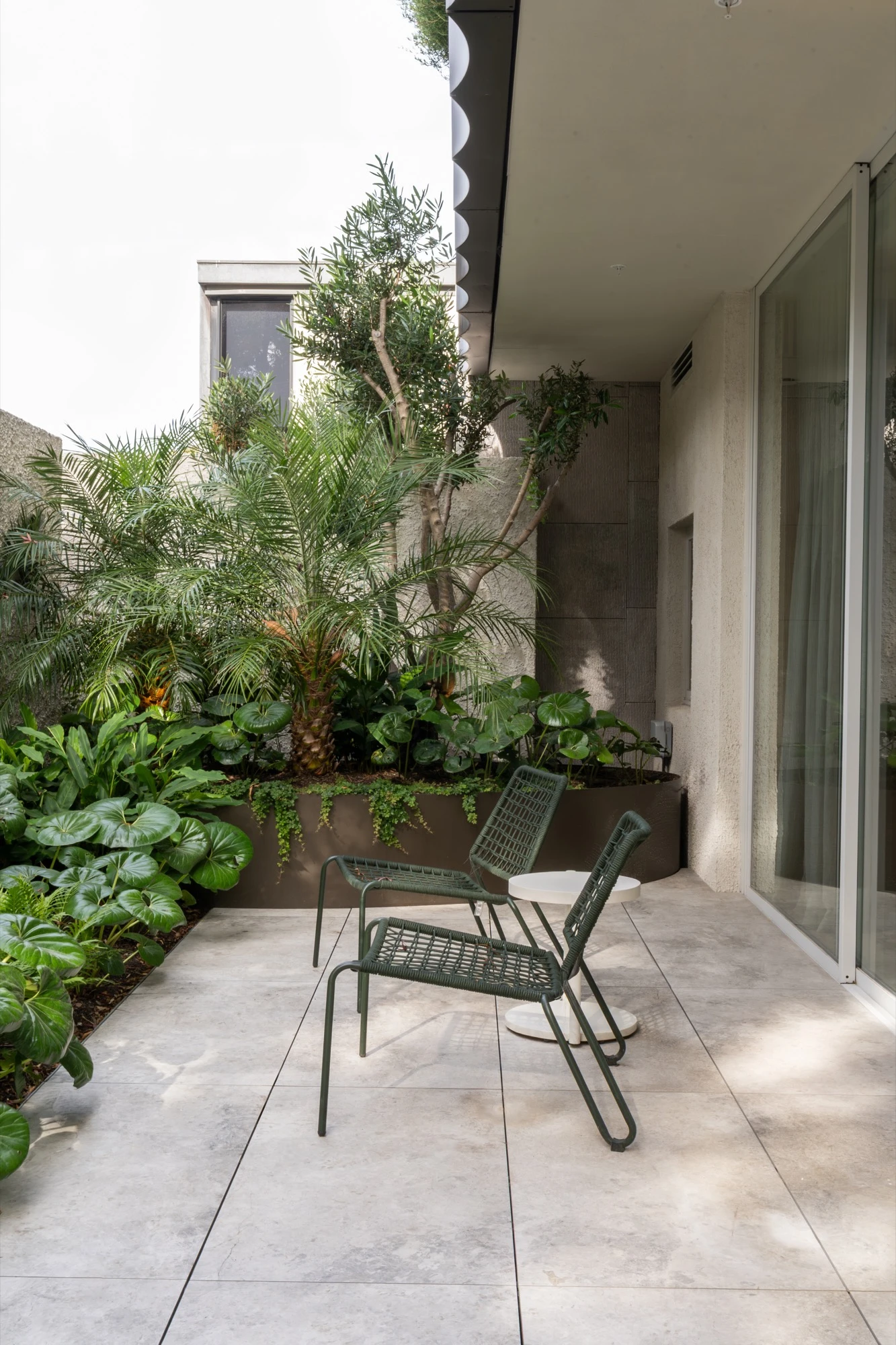
Porcelain offers a different visual appeal. While stone appreciates natural variations and unique character, porcelain offers consistency. Manufactured under controlled conditions, porcelain tiles are created to look the same, in colour, pattern and finish. Modern stone look porcelain tiles can replicate the appearance of marble, travertine, limestone, etc., creating an attractive alternative that achieves a similar aesthetic with greater uniformity and, in many cases, at a lower price point.
RMS Traders’ porcelain collection includes marble look porcelain tiles, including Ashton Grey, as well as options like Travertine Classico Vein Cut, which replicates the look of vein-cut travertine. Available in a variety of colours and stone-inspired designs, our porcelain collection offers a practical solution to suit all styles.
Natural stone tiles vs porcelain: durability and maintenance
When comparing the durability of porcelain vs natural stone tiles, both are chosen not only for their looks but also for their ability to withstand everyday use. Natural stone is known for its longevity and, when cared for properly, can last hundreds of years.
Using the Mohs Hardness Scale, the hardness of natural stone will depend on the type of stone. For example, marble is between 3 and 5, while granite is between 6 and 7. Porcelain tends to be consistent due to its manufacturing process and has a hardness of between 7 and 8. So, both materials can be quite durable and overall, materials with higher hardness will be more resistant to scratches and etching.
Although these materials can withstand everyday wear, heavy impacts can chip the surface, making careful installation essential, as well as selecting the right material choice for its intended use equally important.
Maintenance is where these materials differ. As natural stone is porous, periodic sealing is required to protect against moisture, staining, and scratches, and specific cleaning requirements vary by stone. Porcelain, by comparison, is non-porous and only requires routine cleaning with a pH-neutral cleaner. It’s also advised not to use harsh or acidic products, or abrasive sponges on either material as these may permanently damage the finish.
Where natural stone and porcelain perform best
Both natural stone and porcelain are versatile materials that can each be used throughout the home and in a range of settings. While many applications overlap across materials, they each have strengths that make them particularly suited to certain spaces.
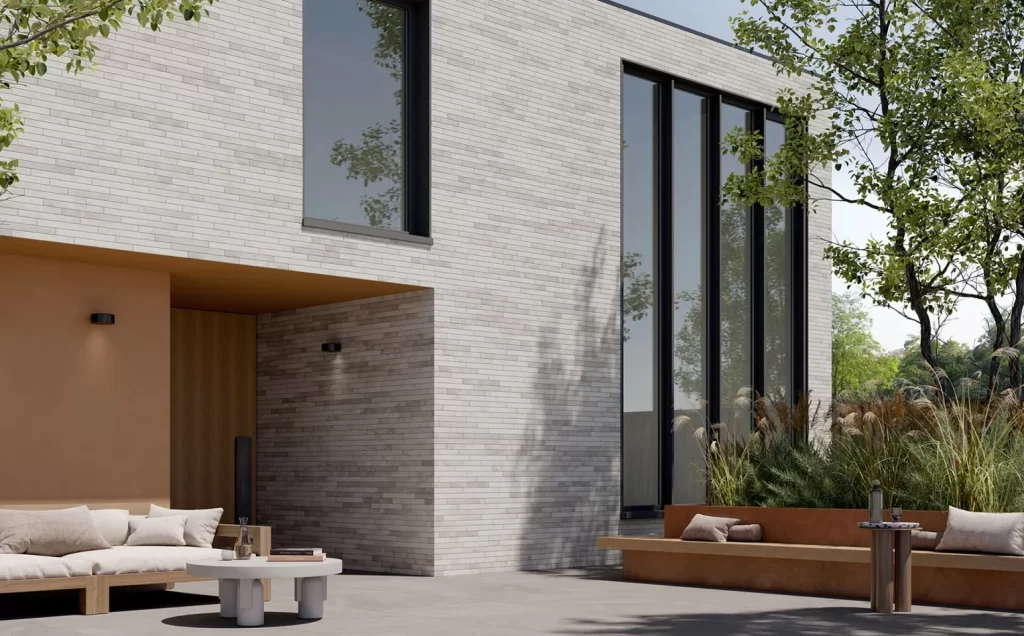
Natural stone is often used in spaces where character and variation are key features. It can be used anywhere within the home, from natural stone bathroom tiles, vanities, fireplaces and feature elements to flooring that seamlessly transitions across areas and even into outdoor spaces. The ability to use a single material palette across multiple areas is a hallmark of many residential and architectural projects.
Porcelain can also be used in indoor and outdoor settings. It performs well in high-traffic areas and designs where durability and low maintenance are priorities. Its low water absorption also makes it a practical choice for bathrooms and other wet areas, and it is popular for indoor and outdoor flooring.
Which should you choose?
If your choice is between porcelain vs natural stone tiles, the right material will depend on a few considerations. Consider which material fits your budget, design preferences, and lifestyle, as well as how you want to use the stone in the space.
Choose natural stone if you value luxe, authentic materials, natural variation, and the appeal of every slab and tile being unique. It’s an excellent choice, providing durability, natural beauty, and a sophisticated ambience.
Alternatively, if low maintenance, consistency in pattern and colour and durability are your priorities, porcelain might be the best choice. Its durability and minimal upkeep make it a suitable choice for renovations where achieving a refined look with less ongoing maintenance is important. Modern stone look porcelain tiles can also offer the look and feel of natural stone at a lower price point.
Ultimately, when deciding between natural stone tiles vs porcelain, both materials offer exceptional performance and appeal. The best material is the one that suits your lifestyle, design vision, and installation location.
Design your dream renovation with RMS Trader’s collections of Natural Stone tiles Australia and Porcelain Tiles to find the right material for your project, or speak with a member of our team for expert guidance tailored to your space.
How do I tell if a tile is porcelain or ceramic when shopping online?
When shopping online, if it isn’t clearly stated whether a tile is porcelain or ceramic, check the product specifications. As porcelain tiles are made from a finer clay that is fired at higher temperatures, they are less porous, denser, and more durable than ceramic tiles. For this reason, details like water absorption, material type and recommended applications can help determine whether the tile is ceramic or porcelain. If this information isn’t provided, it’s best to contact the supplier to request confirmation before purchasing.
Which tile is better for bathroom walls and showers: porcelain or ceramic?
While both porcelain and ceramic tiles can be used on bathroom walls, porcelain is generally the preferred choice for wet areas such as showers. As porcelain tiles have a lower water absorption rate and a denser composition, they offer greater durability and perform well over time. Ceramic tiles are still suited to bathroom walls, but may perform better in areas with lower moisture exposure, such as above a bathroom vanity.
What’s the difference between ceramic and porcelain tile?
While both porcelain and ceramic tiles are made from clay, the differences begin with how they are made. Porcelain is made from a mixture of refined clay (commonly kaolin), feldspar and quartz (silica). This combination is pressed and fired at a very high temperature, which creates an extremely hard tile that is more durable. On the other hand, ceramic tiles are made from coarser clay and fired at a lower temperature. This process results in a tile that is softer, more porous and more prone to chipping.